Foster2Forever

  • Home
  • Shop
  • Fostering & Adoption
    • Foster Care
      • Being a Foster Home
      • Birthfamilies
      • Case Workers
      • Concerns
      • Court Hearings
    • Adoption
      • Parenting Tips for After Adoption
      • Benefits
      • Costs
      • Infertility
      • Parental Rights
  • Parenting
    • 31 Tips for Parenting After Adoption
    • Behavior Issues
    • Children’s Activities
    • Family Time
    • Motherhood
  • Our Home Life
    • Cancer & Health
    • Recipes
    • Marriage
    • Family Travel
    • Videos
  • Join Our Community
  • Our Family
  • Contact
  • Privacy Policy

4:00 am by Penelope

Our Bedwetting Dilemna

This is a Sponsored post written by me on behalf of GoodNites. All opinions are 100% mine.

Have you had a child in your home that wets the bed?

I was surprised when an 8-year-old foster child wet the bed the first night in our home. Bedwetting occurred nightly, and I wasn’t sure what to do about it.

However, nocturnal bedwetting is not uncommon —

1 in every 9 kids wet the bed at night

Bedwetting may be caused by one or more factors. The most common cause of bedwetting, however, is simply a small bladder that is not growing as fast as the rest of a child’s body.

Dr. Stephen Sheldon, director of the Sleep Medicine Center at Children’s Memorial Hospital in Chicago, Illinois:

“The most common causes of bedwetting continue to be issues involving bladder control, infection, fluid intake, stress and trauma.”

Because foster children have a number of stress factors, such as being removed from their families, moving to a new placement, and starting a new school, they may be more prone to bedwetting.

GoodNites-infographic-bedwetting photo goodnites_infographic_bedwetting.jpg

When I mentioned nighttime diapers for our foster child, she exclaimed, “No! Diapers are for babies!”  (Note: I should have used the term nighttime underwear.) But when she saw the cute, girly, discreet design of GoodNites Underwear, she didn’t have any problem wearing them.

GoodNites-girl-designs photo GoodNites-girl-designs.jpg

However, when I ran out of the GoodNites Underwear, I purchased another brand.

GoodNites-underwear photo goodnites-underwear-diaper.jpg

Our foster child did NOT like the other brand. “Gross! I’m NOT wearing that! It looks like a diaper!”

The discreet design of GoodNites Underwear made her feel more like she was wearing regular underwear.

Our nearly 4-year-old Lil Bit also has an issue with bedwetting; however, we found that the potty-training diapers just aren’t absorbent enough for nighttime bedwetting. Many nights, he wakes up in the middle of the night drenched in urine. We are now making the switch to GoodNites Underwear for him too.

For more information on bedwetting, check out the GoodNites Facebook page.

What has been your experience with bedwetting?

7:56 am by Penelope

Brothers Adopted by Different Families

Two days before we adopted our LilBit, I received a surprising call that LilBit’s birthmother had a newborn Baby Brother. We were the first family called so siblings could be together. We lamented on the decision of whether to have Baby Brother join our family.

Could we handle THREE rambunctious little boys, especially at our age?

Declining the placement of LilBit’s Baby Brother was the most heart-wrenching decision I’ve ever had to make.  That one decision would change not only our lives, but so many other lives too.

We have been blessed in that Baby Brother has an incredible family, and he is their pride and joy!  We have an open relationship with Baby Brother’s family and see each other occasionally.

Here are two brothers exhausted from swimming.

Can you figure out which little boy is our LilBit and which is his Baby Brother? Even LilBit can’t tell the difference!

8:54 am by Penelope

Racism in Kids and the Cheerios Commercial Controversy

Racial tensions have exploded this month with Paula Deen’s racist remarks, the Travon Martin verdict, and this Cheerios commercial featuring an interracial couple that caused General Mills to disable the comments due to the inflammatory racial remarks made.

This is what Michael Twitty of Afroculinaria has to say about the Cheerios commercial controversy:

“Take for example the completely un-Christian and inhuman rage at Cheerios for their simple and very American ad showing a beautiful biracial girl talking to her white mother and pouring cereal on the chest of her Black father.  That Cheerio’s had to shut down the comments section says that the idea of inter-human relationships outside of one’s color bracket is for many hiding behind a computer screen—a sign of the apocalypse.  So just like those old spaghetti sauce ads, yes, America, racism—“it’s in there” even when we were prefer it not be.”

Check out what kids had to say about the Cheerios commercial controversy.

In this video, I didn’t catch what friend and fellow blogger, Martha Wood of Momsoap, pointed out in her post about the Cheerios commercial controversy:

It’s mostly white kids doing all the talking. There are eight white children. Two black children. One Asian child. And one child who looks biracial. The main child of color who talks is the Asian kid.

Are you telling me that you couldn’t find more black children for this video?

Talk about white privilege! I didn’t catch that this video was mostly white children talking about racism until Martha pointed it out.

What are your thoughts on the kids reaction to the Cheerios commercial?

6:10 am by Penelope

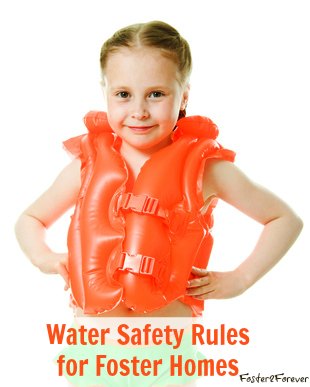
What Are the Rules for Swimming With Foster Kids?

Swimming (and playing in the water) is the number one recreational activity in the summer!  However, according to the Centers for Disease Control (CDC), one in five people who drown are children age 14 and under! [CDC]

A licensed foster home has rules and regulations to follow in regard to water safety for foster children.

These rules for foster families are actually practical water safety tips that ANY family with children should implement.

pool-rules-regulations-foster-children

Who has to abide by these water safety requirements for swimming pools & water bodies?

These requirements only apply to homes that are providing foster care services. This includes foster homes also approved as adoptive homes, but does not include adoptive homes only approved for adoption.

What are the general requirements for caregivers regarding water safety for foster children?

  • Caregivers must use prudent judgment and ensure children in your care are protected from unsupervised access to water such as a swimming pool, hot tub, fountain, pond, lake, creek, or other body of water.
  • If children are allowed to swim in a body of water such as a river, creek, pond, or lake, the supervising adult must clearly designate swimming areas.
  • Rules governing the activity and the dangers of the body of water must be explained to foster children in a manner that is clearly understood prior to their participation.

What are the child/adult ratios for swimming activities?

The maximum number of children one adult can supervise during swimming activities is based on the age of the youngest child in the group and is specified in the following chart:

If the age of the youngest child is…

Then you must have one adult to supervise every (number) child/ren in the group

Swimming

Child/Adult Ratio


0 to 23 months old

1

1:1

2 years old

2

2:1

3 years old

3

3:1

4 years old

4

4:1

5 years old or older

6

6:1

  • If four or more children are engaged in swimming activities, then there must be at least two adults to supervise the children.
  • A lifeguard who is supervising the area where the children are swimming may be counted in the child/adult ratio.
  • Children over the age of 12 years old who are proficient swimmers do not have to be included in the ratio.

Do all supervising adults have to know how to swim?

No. However, at least one adult counted in the swimming child/adult ratio must be able to swim, carry out a water rescue, and be prepared to do so in an emergency.


When must a child wear a life jacket?

A child must wear a life jacket when:

  • Participating in boating activities;
  • The child is in more than two feet of water and does not know how to swim; or
  • Ordered by a physician for a child with a medical problem or disability.

What are the general requirements for a swimming pool at a foster home?

  • The caregivers must inform children about house rules for use of the swimming pool and appropriate safety precautions. Adult supervision and monitoring of safety features must be adequate to protect children from unsupervised access to the pool.
  • At least two life-saving devices must be available, such as a reach pole, backboard, buoy, or a safety throw bag with a brightly colored buoyant rope or throw line. One additional life-saving device must be available for each 2,000 square feet of water surface, so a pool of 2,000 square feet would require three life saving devices.
  • Drain grates must be in place, in good repair, and capable of being removed only with tools.
  • Caregivers must be able to clearly see all parts of the swimming area when supervising activity.
  • The bottom of the pool must be visible at all times.
  • Pool covers must be completely removed prior to pool use.
  • An adult must be present who is able to immediately turn off the pump and filtering system when any child is in the pool.
  • Pool chemicals and pumps must be inaccessible to all children.
  • Machinery rooms must be locked to keep children out.

What are the requirements for accessibility and fences around swimming pools?

  • A fence or wall that is at least four feet high must enclose the pool area.
  • Fence gates leading to the outdoor pool area must be self-closing and self-latching.
  • Gates must be locked when the pool is not in use.
  • Keys to open the gate must not be accessible to children under the age of 16 years old.
  • Doors that lead from the home to the pool area must have a lock that only adults or children over 10 years old can reach. The lock must be completely out of the reach of children younger than 10 years old.
  • Furniture, equipment, or large materials must not be close enough to the pool area for a child to use them to scale the fence or release a lock.

Are the requirements different for aboveground pools?

 An aboveground pool must:

  • Be inaccessible to children under the age of 16 years old when it is not in use.
  • Meet the same requirements for swimming pools, but is not required to be fenced.

Does a backyard fence meet these requirements for inaccessibility?

A backyard fence may serve as the pool fence/wall if it meets all fence/wall and gate criteria above that requires that children may not have unsupervised access to the pool area. Therefore, if the backyard fence serves as the pool fence/wall, then children may not have unsupervised access to the backyard and doors leading to the back yard must comply with the requirements. However, if the entire backyard is serving as the pool area, children may not be in the backyard without direct caregiver supervision.


What are the safety requirements for a hot tub?

A hot tub must be:

  • Enclosed per the requirements above; or
  • Covered with a locking cover when not in use.

What are the safety requirements for wading pools?

Wading/splashing pools (less than two feet of water) must be:

  •  Stored out of children’s reach, when not in use;
  •  Drained at least daily; and
  •  Stored, so it does not hold water.

What if there is a body of water that is on or adjacent and accessible to a foster home?

You must document the following regarding a body of water that is on or adjacent and accessible to the premises of a foster home:

  • Type, location, and size of the body of water; and
  • Barriers between the foster home and the body of water.

Note: This list of water safety rules is for foster homes in the State of Texas. You can read more of the Texas regulations for foster homes or check with your state foster home licensing agency.

How do you keep your children safe around water?

12:54 pm by Penelope

Our Disney Cruise Was Magical

After being foster parents for 3 little ones in addition to our 2 preschool boys, we were in desperate need of a vacation! We were elated to learn that Disney Cruise now has family cruises leaving out of Galveston! We wouldn’t have to travel to Florida with our young boys to experience Disney magic! In less than 24 hours, we booked a Disney cruise.

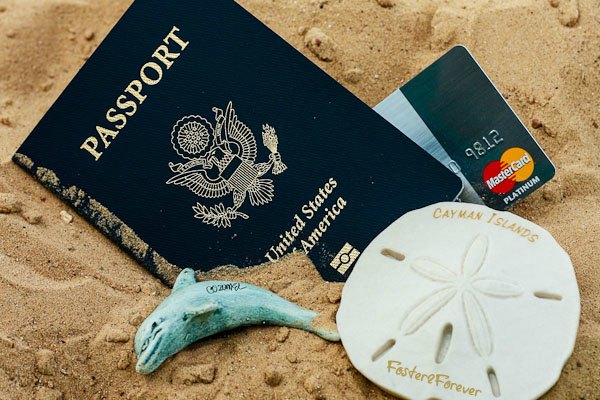
master-card-credit-accepted-everywhere-abroad

Our Disney Cruise was a magical experience for all of us!

disney-cruise-ship-magic-picturesWe loved meeting all the Disney characters up close and personal.

disney-cruise-pictures-character-breakfast

One thing we quickly learned was that the cruise ship’s gift shop did not take cash; however, they did accept MasterCard for our on-board purchases.

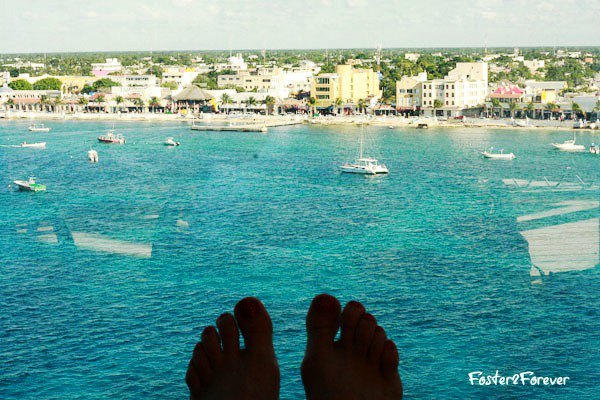
Our Disney cruise included a port stop in Grand Cayman, which offers a variety of excursions including Seven Mile Beach, Cayman Turtle Farm, snorkeling adventures, etc.  We booked our excursions ahead of time to ensure that we would have a reserved spot.

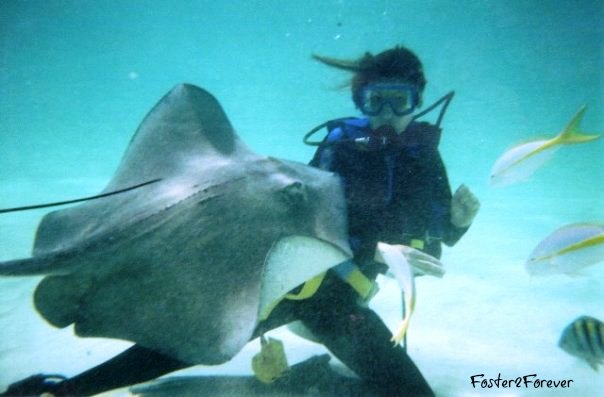
If you visit Grand Cayman — you MUST pet the stingrays at Stingray City! Just sayin’cayman-stingray-city-scuba-excursion

Since not everyone in my family is as adventurous as me; afterward, I met dad and the kids at Rum Point, a relaxing, quiet beachfront with a variety of eating stands in little huts, and of course, a gift shop!

disney-cruise-cayman-rum-point-excursion The currency used in Grand Cayman is the Cayman Islands dollar (CI$) which has a fixed exchange rate of US$1 equal CI$1.20. Souvenirs from Cayman include the famous Tortuga rum cakes, postcards from Hell, and anything turtle. We purchased our souvenirs (including turtle salt and pepper shakers for my in-laws) at the gift shop there at Rum Point using our MasterCard because it is accepted everywhere.  Due to some complicated IRS rules, many merchants abroad do not accept all credit cards anymore. But MasterCard is accepted everywhere!

disney-cruise-pictures-mexicoOur Disney cruise included 2 other port stops in Mexico: Costa Maya and Cozumel.  Because the Mexican Pecos fluctuates in value between 10-15 Pecos for $1US, it’s easiest to purchase with MasterCard. MasterCard automatically converts Pecos to US dollars with the best currency exchange rate with no additional fees.

We purchased souvenirs and silver jewelry in Cozumel; however, we did NOT purchase any Cuban cigars!

mexico-cuban-cigars-castro

If you’re looking for a credit card that you are sure will be accepted anywhere abroad while traveling, I would recommend MasterCard. For more Disney Cruise pictures, including dolphins, be sure to check out my Google+ Story!

As part of a sponsored post for Collective Bias®, I’m sharing my experience of how MasterCard was accepted everywhere on our recent Disney Cruise vacation to the Caribbean.

9:47 am by Penelope

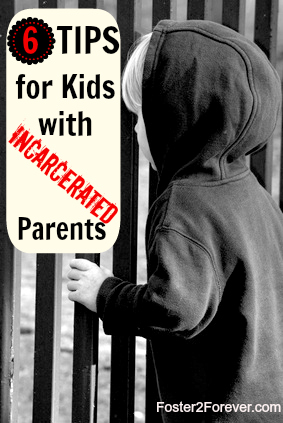
6 Tips for Children With Parents In Prison

One in 28 children in the United States has a parent that is currently incarcerated (1).

Sadly, a number of these children wind up in foster care.  A quarter of the foster children that have been in my care had a parent that was incarcerated at the time of placement.  To some children, going to jail is a regular event that just means you need to go bail them out. And other children feel shame and even guilt when a parent goes to prison.
SONY DSC

6 tips for when a child has a parent in prison:

1. Help the child feel secure in his surroundings with reliable people and activities.

Surround the child with people and places that he knows.  Don’t overwhelm the child with new places and people at first.

2. Have a predictable schedule and let him know what will happen during the day.

Children do best when they know what to expect.  “Dad will be taking you to school, then I will pick you up from school for a doctor appointment. After that we will stop by the grocery store before going home for dinner.”

3. Encourage your child to talk about his feelings.

Ask “How are you feeling?” I love this touching Sesame Street video when Muppet Murray talks to child Nylo about his mom’s incarceration. Grab a Kleenex…

4. Let the child know that it’s okay to have big feelings.

I had a family member with an incarcerated parent, and when this child got in trouble, the words were heartbreaking: “I’m bad, just like my dad!”

Shame, guilt, sadness, and anger are such big emotions for a child to handle. Let them know that it’s okay to feel that way, but that feelings change:  “I know that you’re having some really big feelings right now, and that’s okay…feelings never last forever.  They always change.  So even though right now, your big, big feelings are making you {sad}, they won’t last forever.  I promise.” (2)

Kids-emotions-quote

5. Talk honestly with the child about his parent’s incarceration.

Honesty builds trust which is what a child needs during this time. “Daddy is in jail because he broke a grown-up rule called a law.”

6. Let the child know that the incarceration is not his fault.

Some children from hard places take the world on their shoulders and are full of worry and guilt about things they have no control.  Let them know that it’s not their fault that their parent was the one that made a bad choice.

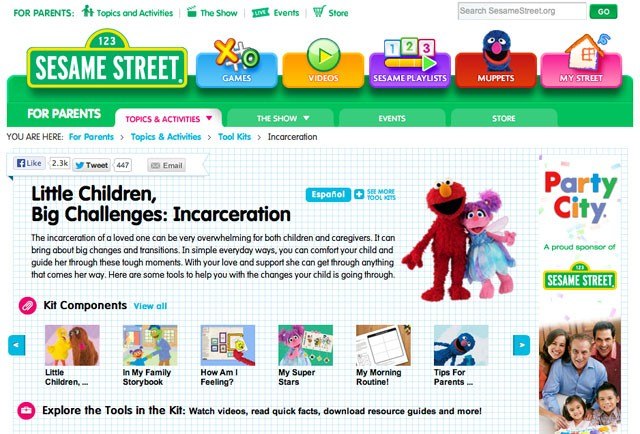
Sesame Street has released a new initiative  for children with parents in prison.  For more tips, activities and videos, check out Sesame Street’s Little Children, Big Challenges: Incarceration.

sesame-street-incarceration-website

What has been your experience with children whose parents are incarcerated?

8:41 am by Penelope

How Can You Live Up to the Impossible Standard?

Are you on Pinterest?
pinterest-logo
Pinterest can be so much more than recipes, beauty tips, and crafts I will never do!  My sister and I have decided that Pinterest gives mothers this impossible standard of having a perfectly decorated home…while eating delectable foods… while wearing fun fashionable outfits… and being SKINNY! Are you kidding me?

Foster2Forever Pinterest

My goal as a foster mom raising traumatized children is to get through each day without too many meltdowns!!!  However, through Pinterest I have found numerous informative articles on being a foster/adoptive mom.

Are you following my Pinterest board on Foster Parenting?


I also have an Adoption board on Pinterest!


Are you on Pinterest? Leave your link below so we can follow each other!!!

3:32 pm by Penelope

Proud to Be a Stay At Home Mom

I’m a Stay At Home Mom!!!

how-can-i-be-a-stay-at-home-momBeginning at 4 months old, my sweet baby boy, Lil Bit, had grown up in daycare.  I was incredibly blessed by motherhood, and more and more, I began dreading leaving my 3-year-old each morning.  The daycare had grown as quickly as he did and was becoming more chaotic with the revolving door of daycare workers.  This school year, each morning, my heart hurt as I dropped him off with him wailing, “I don’t wanna go to school. I wanna go witchoo.”

I was already feeling guilty for leaving my severely-neglected JD in daycare as an infant. His diagnosis of Reactive Attachment Disorder (RAD) piled on even more “mommy guilt.”  Would staying at home have helped my adopted child in his attachment as an infant? Taking FMLA (family leave) made a world of difference for my son after he got kicked out of his third daycare. (This year of all-day Kindergarten was incredibly successful with only minor rule infractions and not one meltdown at school!!!)

But could I really go back to being a stay-at-home mom as I had been when my husband and I first married?  (See this YouTube video about homeschooling my stepson)

It turns out that YES I CAN!!! And I’m loving being a stay-at-home mom!! But I am busier than I thought possible after saying yes to a sibling foster placement of a school-age child and infant sibling.

Our finances are tighter, but with me staying at home, we are saving over $800 a month from daycare costs, eating out much less, lower gasoline costs, no office wardrobe, no maid service, etc.

And we, as a family, are less stressed – minus the stress that two additional children add.

Are you a stay-at-home mom? If you work outside the home, have you thought of how you could stay at home with your children?

2:30 pm by Penelope

Travel Tips We Learned on Our Family Cruise

Disney-cruise-tips-vacation-activitiesWe needed a vacation! And then something magical happened! Disney Cruise Lines announced cruises out of Galveston! We quickly booked a week-long Caribbean cruise with Mickey, Minnie, Donald and the rest of the Disney gang.  I highly recommend Disney Cruise Lines! It was the best!!!

Here are a list of tips we learned when cruising with our children:

Buy Travel Insurance

You never know when your child may get sick, break an arm, etc.

Upgrade Your Room at Check-In

You can get steep discounts on available rooms. We could have upgraded from an interior room to a larger room with a port hole for $200; however, being the budget travelers that we are, we chose to spend that money elsewhere, since we spent so little time in our room.

Cash Is Not Accepted at Shops On-Board

We made the mistake of bringing cash to spend on the ship for souvenirs; however, the ship’s gift shop only took our room key or credit cards for purchases.

Bring a Carry-On Bag When You Board

Think of what activities you or your kids might want to do the afternoon of boarding.  If your kids are waterbugs, like mine, bring swimsuits and pool paraphernalia in a carry-on so you don’t have to listen to your kids whine all afternoon because they want to get in the pool.

Decorate Your Stateroom Door

Since stateroom doors are made of metal, use magnets to decorate the door to your stateroom so your kids can find your room easily among the sea of doors that are identical.

Have a Plan for Sea Sickness

I cannot even read a map in the car without feeling woozy. Although, I did get “the patch” for the cruise, if you would like a more natural (and less expensive) alternative, consider taking Ginger Root capsules.  I used it considerably when my former job had me flying in a helicopter with a former Vietnam chopper pilot.

Enroll Your Children in the Ship’s Kids Club

My kids begged to spend time in the Oceaneers Club for kids. In fact, one evening, our Kindergartner didn’t asked to be picked up until nearly midnight!!

Plan for Naptime

Our 3-year-old needs an afternoon nap!  But the last thing we wanted to do was spend two hours in our interior cabin watching our child sleep.  We had an ingenious idea and took the kids to an afternoon movie at the ship’s on-board theater.  In the dark, cool theater, our exhausted preschooler fell asleep rather quickly, regardless of the theater’s surround sound system.  We enjoyed watching DisneyNature’s Chimpanzee. (you must see this movie about adoption in the wild)

  • « Previous Page
  • 1
  • …
  • 17
  • 18
  • 19
  • 20
  • 21
  • …
  • 45
  • Next Page »

Looking for something?

Facebook

Foster2Forever

Archives

Why Every Foster Parent Needs Sexual Abuse Training

foster care visitation rules guidelines online

10 Tips for Foster Care Visitation Online

foster-income-taxable

Is Foster Income Taxable? What Foster Parents Should Know About Income Tax

Why Every Foster Parent Needs Sexual Abuse Training

I’m Clever

Sway

Pretty Chic Theme By: Pretty Darn Cute Design