Foster2Forever

  • Home
  • Shop
  • Fostering & Adoption
    • Foster Care
      • Being a Foster Home
      • Birthfamilies
      • Case Workers
      • Concerns
      • Court Hearings
    • Adoption
      • Parenting Tips for After Adoption
      • Benefits
      • Costs
      • Infertility
      • Parental Rights
  • Parenting
    • 31 Tips for Parenting After Adoption
    • Behavior Issues
    • Children’s Activities
    • Family Time
    • Motherhood
  • Our Home Life
    • Cancer & Health
    • Recipes
    • Marriage
    • Family Travel
    • Videos
  • Join Our Community
  • Our Family
  • Contact
  • Privacy Policy

7:00 am by Penelope

How to Make a Wonder Woman Costume + 88 Other DIY Costumes

If you’ve followed me for a while, you may realize that I just love Halloween costumes and dressing up. (Is that weird for a Christian?) Each year, our family has a theme for our Halloween costumes. Check out how our family has dressed through the years for Halloween costume idea for families or groups.

Last year, we dressed in Halloween costumes as a family of superheroes! Dad was Green Lantern, one son was Batman, the other Superman, and I dressed in an EASY DIY WONDER WOMAN COSTUME I put together!

wonder-woman-costume-ideas-running-superhero

How do I look?

How to Make a Wonder Woman Costume

SUPPLIES: HEADBAND & CUFFS for Wonder Woman Costume
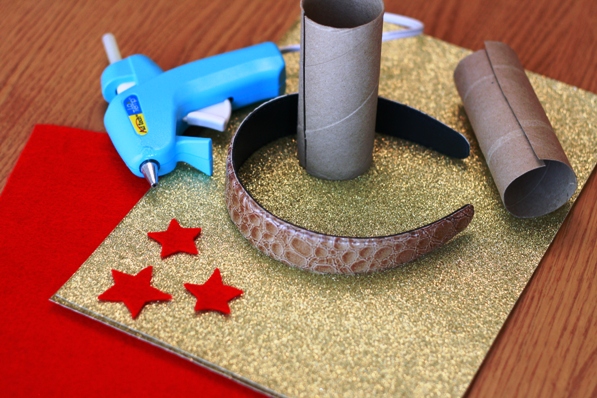
diy-wonder-woman-costume-supplies


I made the cuffs out of toilet paper rolls.

  • toilet paper rolls
  • sparkle craft paper in gold
  • red felt
  • scissors
  • hot glue gun

I simply cut the toilet paper roll lengthwise and traced a pattern onto the sparkle paper. I then cut the sparkle paper and hot glued the paper onto the toilet paper roll.  I then cut a small star out of red felt and hot glued it on.

For the Wonder Woman headband, I used an old large soft but solid headband.  I used this pattern for Wonder Woman costume headband and cut out the sparkle paper. I hot-glued the sparkle paper onto the headband. I cut the red felt into a star and hot glued it onto the front of the Wonder Woman headband.

how-to-make-wonder-woman-headband

 SUPPLIES for Wonder Woman Costume

  • Red shirt
  • Blue shorts
  • Red softball socks
  • Red shoes
  • Yellow and white Duck Tape sheets
  • Fiskars x-large star punch
  • White masking tape

I traced the Wonder Woman logo onto the yellow Duct Tape sheet using this Wonder Woman costume logo pattern. I placed on the front of the red shirt.

how-to-make-wonder-woman-costume-logo-pattern

For the shorts, I cut the stars out of the white Duct Tape sheet using the star punch. Because of the stickiness of the glue, cut out a few stars with folded foil to keep the punch from sticking. Place randomly on the blue shorts.
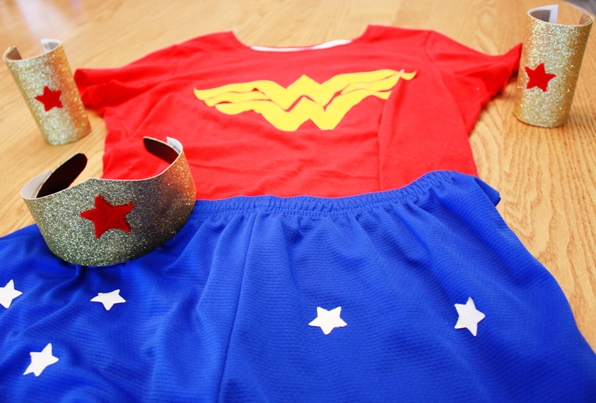
how-to-make-wonder-woman-costume-running

 How to Make Boots for Wonder Woman Costume

Wear red baseball socks with red shoes, then put masking tape from the toes of the red shoes to the top of the socks. Then place masking tape around the top of the socks.  Official (kind of) Wonder Woman boots! 

how-to-make-wonder-woman-costume-boots

Check out our Halloween costumes for a family of superheroes!
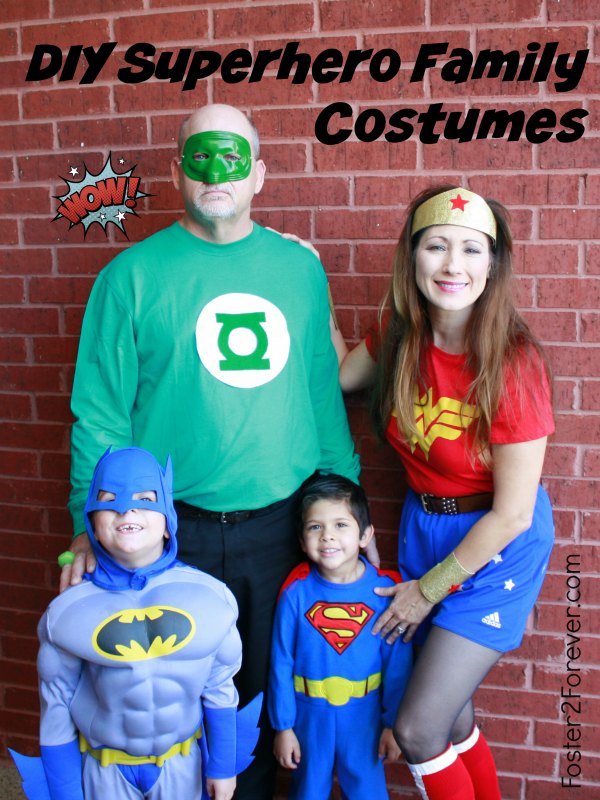
Check out this family of superheroes! Great Halloween costume idea for family or group!

Along with how to make a Wonder Woman costume, I’m sharing 88+ more really awesome handmade costume ideas from talented bloggers everywhere!  Here are 80+ DIY Halloween costumes, including my WONDER WOMAN COSTUME!

Check out this handmade Halloween costume site, Really Awesome Costumes that has tons of easy ideas to craft up DIY Halloween costumes for everyone including your pets, family costumes, and even trunk or treat ideas!
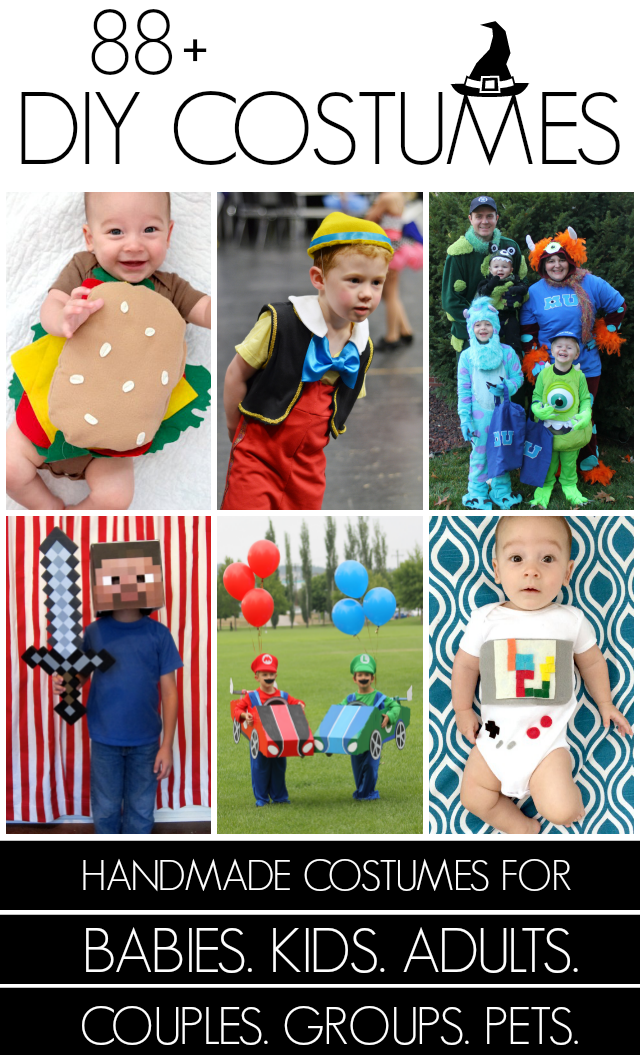
 

101+ Handmade Halloween costumes at Creating Really Awesome Free Things

And now it’s time for tons more DIY Halloween costume inspiration! You can join in on the BLOG HOP! Click on the links below each collage to get the detailed instructions about how to make the costume pictured, just like mine above. Don’t forget to follow the Handmade Halloween Costumes Pinterest Board for even more DIY costume greatness!
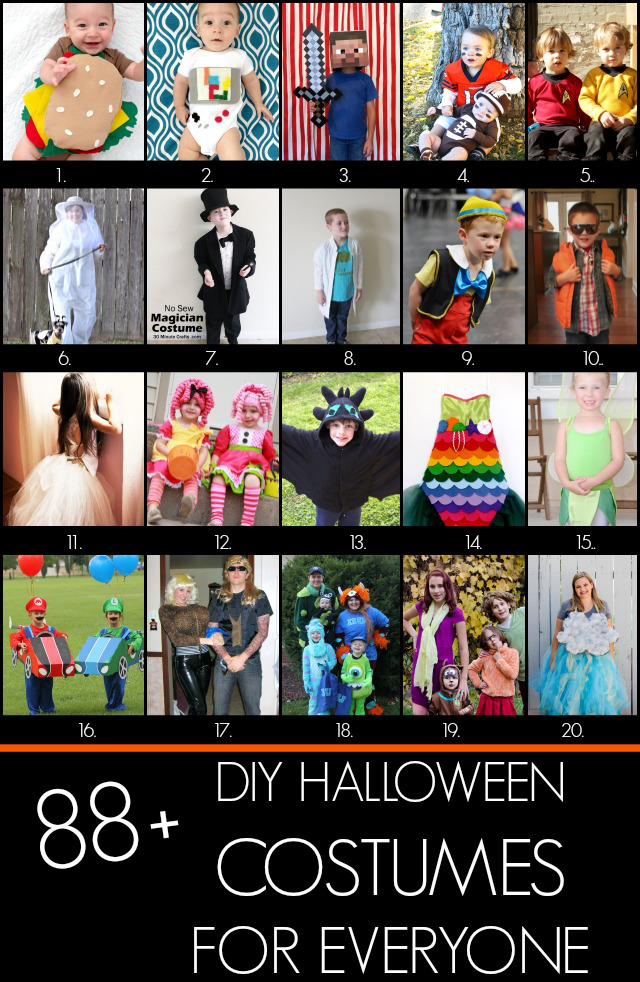
88+ Handmade Halloween costumes at Creating Really Awesome Free Things

1. Handmade Baby Hamburger Costume

2. DIY Baby Game Boy Costume

3. DIY Minecraft Steve Costume

4. Football Brothers Halloween Costumes with DIY Pads and Onesie

5. Star Trek Halloween Costume for Kids

6. A Bee and Her Keeper

7. No Sew Magician Costume

8. Flint Lockwood Costume

9. Pinocchio

10. Marty McFly

11. Princess Wedding Dress Costume

12. Handmade Lalaloopsy Doll Costume

13. Homemade Toothless Costume

14. DIY Mermaid For Less Than $20 (No-Sew Option)

15. Easy Tinker Bell Costume

16. Mario and Luigi Go Kart Costumes

17. Dog The Bounty Hunter and Beth

18. Family Monsters University Costumes

19. Scooby Doo family costumes
20. DIY Storm Cloud Costume


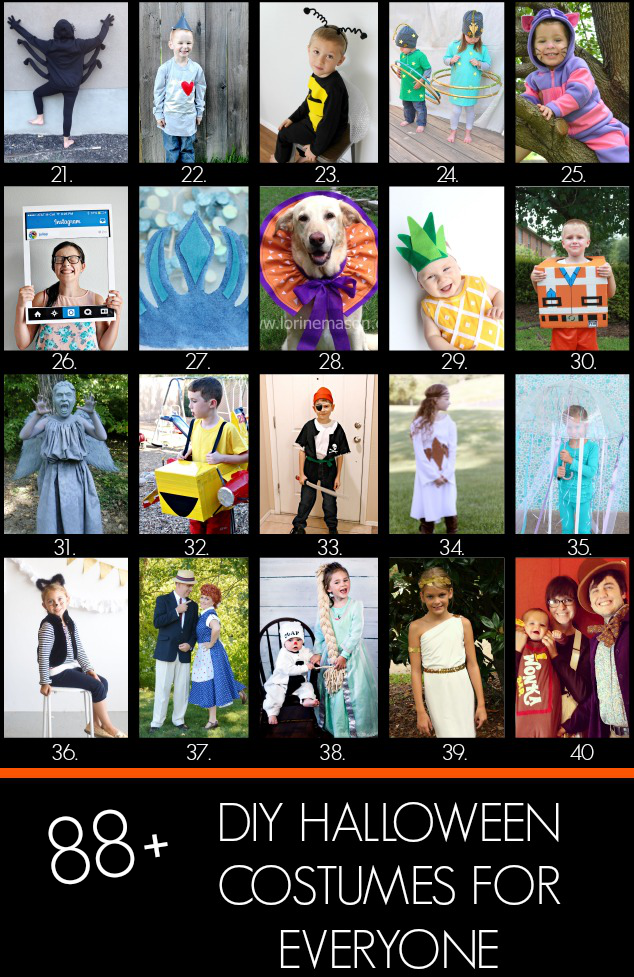
88+ Handmade Halloween costumes at Creating Really Awesome Free Things

21. Cheap and Easy DIY Spider Costume

22. Easy Tin Man Costume

23. No Sew Bee Costume

24. Planet Halloween Costumes

25. DIY Cheshire Cat Costume

26. DIY Instagram Board

27. Elsa crown

28. Dog Collar Ruffles

29. DIY Pineapple Baby Costume

30. DIY Lego Movie Costume

31. Weeping Angel Costume

32. Disney Planes Costume: Dipper

33. Easy Pirate Costume

34. Easy Costume Idea – Renaissance Girl

35. 10 Minute Homemade Jellyfish Costume

36. DIY Cat Costume

37. Lucy And Ricky Costumes

38. Easy Frozen Costumes (Carrisa!!)

39. Easy Greek Goddess Costume

40. DIY Family Willy Wonka Costumes
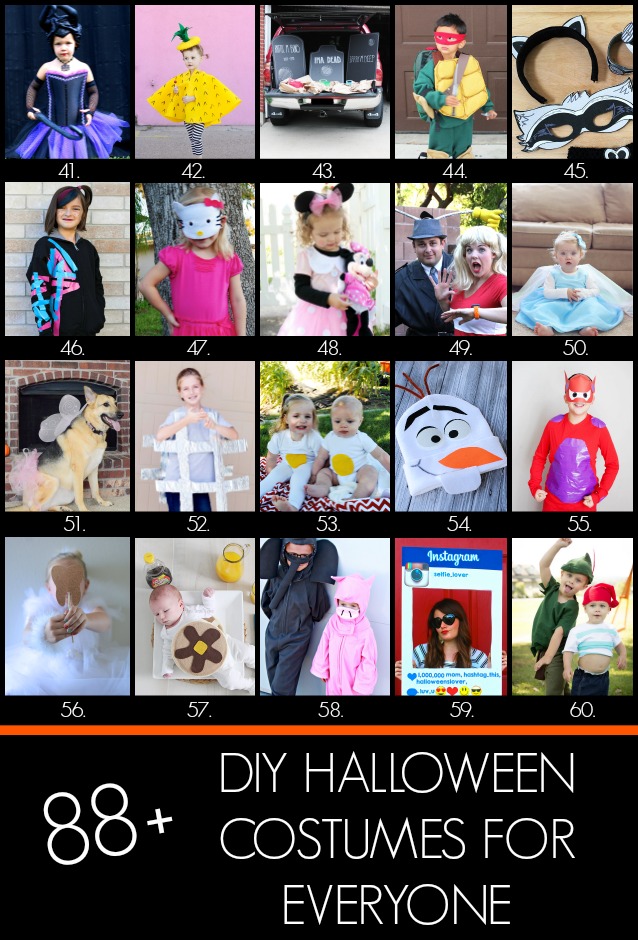
101+ Handmade Halloween costumes at Creating Really Awesome Free Things


41. DIY No Sew Maleficent Costume

42. No Sew Pineapple Halloween Costume

43. Graveyard Bean Bag Toss: Trunk or Treat Car Costume

44. DIY Teenage Mutant Ninja Turtles Costumes

45. DIY Raccoon Costume with Printable Mask

46. Easy WildStyle Lego Movie Costume

47. Simple Hello Kitty Costume

48. No Sew Minnie Mouse Costume

49. DIY Inspector Gadget and Penny Costumes

50. DIY Frozen Elsa Dress Baby Edition

51. Fairy Princess Dog Costume

52. DIY Hashtag Halloween Costume

53. Toddler or Baby Egg Costume

54. Easy No Sew Olaf Costume

55. DIY Baymax Costume

56. DIY Tooth Fairy Costume

57. Baby Short Stack Pancake Costume

58. Elephant and Piggie Halloween Costumes

59. Instagram Halloween Costume

60. Peter Pan & Mr. Smee Halloween Costume
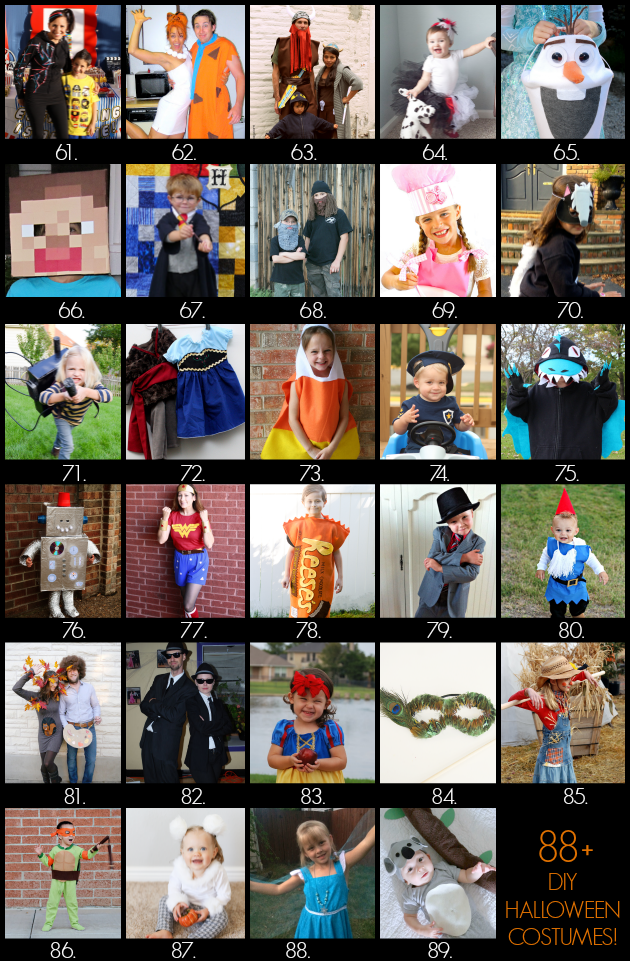
88+ Handmade Halloween costumes at ReallyAwesomeCostumes.com

61. Wildstyle Costume from the Lego Movie

62. Fred and Wilma Couples Costume

63. Viking Family Costumes

64. DIY Cruella de Vil Costume for a child

65. Disney Frozen Olaf Halloween Treat Bucket

66. How to Make a Minecraft Steve Head

67. DIY Harry Potter Costume

68. DIY Duck Dynasty Costumes

69. No Sew Cupcake Baker Halloween Costume

70. DIY Skunk Mask

71. Ghostbusters Proton Pack DIY

72. Frozen Anna Costume Tutorial

73. Candy Corn Costume

74. Paw Patrol Halloween Costume

75. No Sew Toothless Dragon Costume

76. DIY Robot Costume

77. Wonder Woman Costume

78. Reese’s Peanut Butter Cup Costume

79. Thrifted Gentleman Spy DIY Halloween Costume

80. DIY Boy Garden Gnome Costume

81. Group Costume: Bob Ross, Happy Tree, & Squirrel

82. DIY Blues Brothers Costumes

83. Snow White Costume

84. Peacock Princess Costume

85. Scarecrow Costume

86. Easy Teenage Mutant Ninja Turtle Costume

87. Handmade Teddy Bear Costume

88. Princess Elsa and the Spy Kid

89. DIY Baby Koala costume

What handmade costume ideas did you love the most?! Be sure to click over to get the costume instructions, pin the costume, and let them know you love it!

10:36 am by Penelope

Could Your Child’s Behavior Actually Be Sensory Processing Disorder?

sensory-processing-disorder-integration-bins

What does Sensory Processing Disorder (SPD) look like?

As a parent, I have seen a child who can be so fun and so smart turn into someone I don’t know or understand at the blink of an eye. I have watched as he cries because his socks “don’t like his feet”. I have endured yelling, screaming and fits all because something didn’t go as planned.

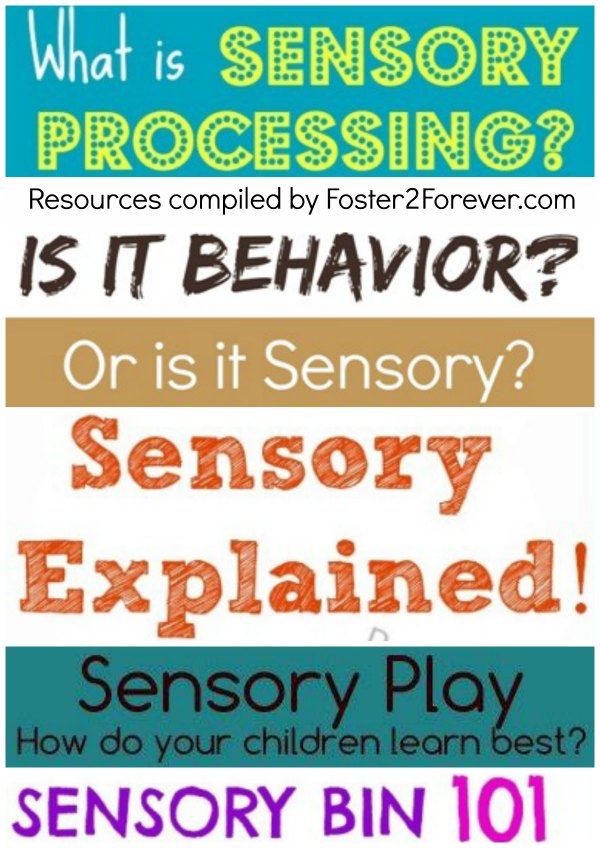
Click to read more 1-What-is-Sensory-Processing-lla

Could your child’s behavior issues actually be sensory processing disorder (SPD)?

Have you ever wondered if your child’s behavior is truly a behavior issue or could it really be something else? Many times it is hard to tell if a behavior is truly a behavior or if your child is reacting to sensory problems in their body!

So is your child’s behavior a behavior issue or sensory?  If sensory relates to the sensation or physical senses and a definition of behavior is the way in which a person acts in response to a particular “stimulus” (or sensation), then YES, behaviors can happen because of sensory problems.

Click to read more 2-Behavior-Or-Sensory-Occupational-Therapy-Viewpoint-grb

What is Sensory Integration?

Sensory integration is “the central nervous system translating information into action”. Basically, it means that the behavior we exhibit is linked to neurological processes in our brain.
    • In layman’s terms: Everything we feel or experience, from wind on our face to driving a car is processed in our brain. If a child has an unusual response, then their brain isn’t processing what they feel or experience accurately.
Through meaningful sensory activities and a child’s inherent motivation, the child is able to make adaptive responses. This allows them to have more organized behaviors.
    • In layman’s terms: When a kid wants to participate in sensory play (to them it is just play), they adjust how they are playing based on what they are experiencing/feeling.

Click to read more 3-What-is-Sensory-Integration-ykt

How Can You Have Sensory Integration as Sensory Play?

Whether children are hypersensitive (over sensitive), hyposensitive, or neurotypical children with no sensory issues – sensory play is beneficial to every child to help them to understand the world around them.

Sensory play is often thought of just as messy play, and although lots of sensory play ideas can be messy – it is not just all about messy play but any play involving the senses.

  • Touch which can be exploring textures
  • Taste
  • Sight which could be exploring colors and light
  • Sound
  • Smell

It helps with creativity, problem solving, and supports their brain development!

Click to read more 4-what-is-sensory-play-itp

What Are Sensory Play Activities?

Go on a Sound Walk

Play in the Dirt

Play in the Mud

Create Sensory Bins

Sensory bins are a great way for children to learn using all 5 senses at once. Child development theorist Jean Piaget described the way children learn by calling them “little scientists“. Through sensory play and sensory bins children are using the scientific method and are also building pre-math skills, fine motor skills, language skills, imaginative play, and much much more. Not only that but sensory bins are so visually appealing and fun!

Most sensory bins have a base which is usually made with rice or another sensory material. Next you add other items including scooping materials such as spoons, measuring cups, etc for scooping and pouring. Add other items.

Click to read more
sensory-bins-101-lpal

If you are interested in learning more about sensory processing disorder, I highly recommend reading The Out-of-Sync Child and The Out-of-Sync Child Has Fun: Activities for Kids with Sensory Processing Disorder.

8:00 am by Penelope

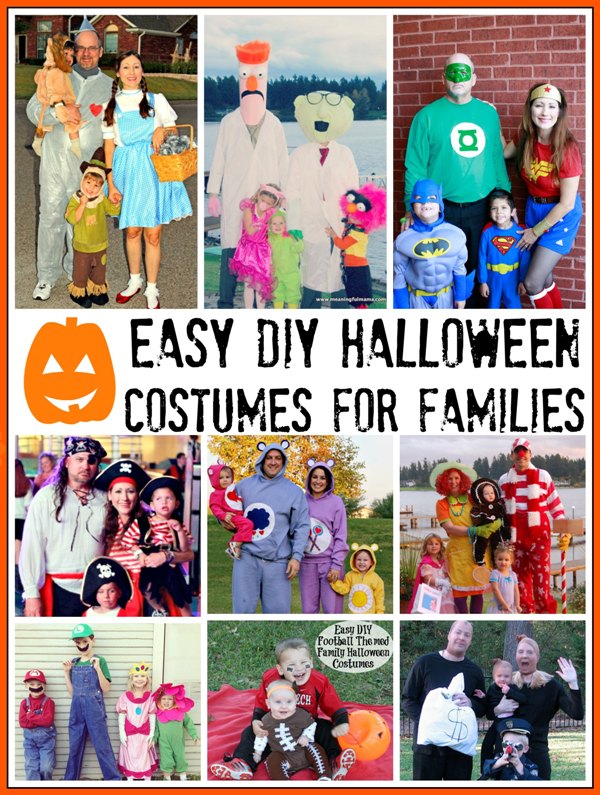
10 DIY Halloween Costumes for Families

Are you searching for easy DIY Halloween costumes for your family? Here are some cute Halloween costume ideas for groups!

best-easy-diy-halloween-costumes-ideas-family-group

Wizard of Oz Halloween costumes for family

Muppets Halloween costumes for family

Family of Superhero Halloween costumes

DIY Pirate Halloween Costume Ideas for Family

Easy DIY Care Bears Family Costumes for Halloween

DIY Family CandyLand Halloween Costumes for Family

Easy DIY Mario Cart Family Halloween Costumes

Football Themed Family Halloween costumes

Easy DIY Cops and Robbers Halloween Costumes for Family

Batman, Robin, Joker & Catwoman Halloween Costumes for Family

Check out all this other Halloween fun!

10:00 am by Penelope

12 Tips for Fostering a Special Needs Child

Michelle’s Story of Fostering a Special Needs Child

At my first fostering information session, I was told all foster children have special needs. If you think about it, it makes sense when you consider that a child does not go into foster care if they are living in a nurturing environment with caring parents or guardians.

Down the road and a few fostering placements later, I would learn what special needs really meant. Ryan came into our home at day 2 of his life. He was a drug-exposed newborn experiencing crystal meth withdrawal. My husband and I were not familiar with drug-exposed infants nor were we looking to adopt.

As mother of two and a certified childhood developmental specialist, I have worked with children with special needs, rare medical conditions, etc.  Ryan, on the other hand, was this fragile newborn in our home – struggling just to wake up.  As time passed and Ryan became more aware, red flags started to appear.

Soon after, visits started with medical specialists, including a pediatric cardiologist, pediatric eye doctor, pediatric neurologist and endless appointments with his pediatrician.  It was difficult to manage all of these appointments while maintaining normal schedules for my other children and a relationship with my husband.

Ryan is a now an 18-month old thriving toddler with epilepsy, cerebral palsy, and eye problems.

This past year and a half has not been easy with all of his medical appointments, social worker appointments, dealing with seizures, therapies, etc. but somehow we survived – some days by a miracle, but we did, in fact, make it through.

Our biggest frustration through all this has been social workers who did not understand the issues of our special needs child, or trying to get a court order for medical care, or trying to get alternative care for our son.

fostering-special-needs-child


Here are some tips that helped my husband and I through this journey:

12 Tips for Fostering a Special Needs Child

  1. Document and keep copies of everything!
  2. Find your voice as your child’s foster parent and advocate for your child,
  3. Establish rapport with social workers, doctors, therapists and your child’s attorney,
  4. If your child is receiving therapy, ask for the goals and the steps for achieving them,
  5. Educate social workers if they are unsure about your child’s condition and what it takes to care for your child dealing with these issues,
  6. Find respite care – find out what is available to you through the state and county foster agency or with friends or family that can come help an hour or two a week,
  7. Build your support network,
  8. Consider alternative approaches that might help your child – do not assume the county will say no. (For example, we strongly believed that Ryan needed chiropractic care which is usually not considered for foster children in California.  By getting Ryan’s social worker and lawyer involved and battling for months, we were finally granted an order from the judge to allow this care. The chiropractor was amazed that we had accomplished this.),
  9. Through all the ups and down, enjoy your child in the present. The past in the past, the future is unknown, and all we have is the present.
  10. Get down on your child’s level, play with them, pay attention to them uninterrupted whether it’s 5 minutes a day or more.
  11. Communicate with your partner, stay in touch, communicate your family’s needs, your needs, and find out their needs. Help each other find self-care that works for you,
  12. Research the adoption subsidy for special needs children in your state. A great starting place is the North American Council on Adoptable Children (NACAC.org). You can search by state and they typically have contact information for the state subsidy person information and the NACAC Subsidy representative.


fostering-special-needsMichelle Ludwig is a licensed foster parent, patiently waiting for the adoption of Ryan to be finalized. She holds a master’s degree in Child Life in Family Centered Care from Wheelock College in Boston, MA.

11:38 am by Penelope

Feeling Overwhelmed? How Much Can You Handle?

Life can be overwhelming! Life with kids can be overwhelming! Life with kids from trauma can be more than overwhelming!

I believe God does give us more than we can handle. However it doesn’t stop there. He gives us more than we can handle and then gives us the strength to make it through as we surrender to Him for help.

Read more about how Charonne feels overwhelmed as a foster parent…

christian-living-quote-God-gives-us-more-than-we-can-handle


OneHope27-foster-parent-blogsCharonne Ganiere is a licensed foster parent, hopeful adoptive parent and president of OneHope27, inc. which equips the Christian Community to impact the foster care system with the HOPE of Christ onehope27.org

11:14 am by Penelope

The Heartbreak of Saying Goodbye to a Foster Child

Saying goodbye to a foster child is the most heart-wretching part of being a foster parent.  Laura wrote about her heartbreak shortly after her last placement left – after almost a year as part of her family.

How do you say goodbye to a child?
How do you explain why they cannot live with you anymore while hoping they do not feel rejected by you?
How can you give a child the most consistency & stability they have ever had and then just say goodbye?

How do you say goodbye to the children you have loved as your own for the past year?
How do you have a baby from day 2 of his life and say goodbye at 7 mos?
When you are the only mommy he knows?
When he looks for you?
When you are the one whom he feels the separation anxiety from?

Excerpted from They Call Me Mommy

saying-goodbye-to-foster-child

Read more about saying goodbye to a foster child:

10 Things to Do When a Foster Child is Returning Home

7 Tips for Foster Parents to Keep Emotions in Check

Foster Care Isn’t About You – How to Support Reunification

foster-parent-bloggerLaura Bohmann Chapman has a HUGE heart for foster care and adoption! She and her husband have 3 biological kids in addition to foster children! She is passionate about helping others be themselves, home decor, especially creatively decorating on a budget. She is semi-addicted to thrift store shopping, antiques, and furniture rehab. She writes at Truly Me.

10:00 am by Penelope

VIDEO: The Surprise Results of My Cancer Biopsy

A few weeks ago, I underwent major surgery for ovarian cancer biopsy. Beforehand, I just didn’t comprehend just how painful my recovery would be, so I was surprised when I awoke from surgery in excruciating pain from my rib cage down to the middle of my thighs.

On top of this, due to my adverse reaction to pain medications, I had an extended hospital stay until the pain was manageable. UG!

But the biggest surprise was when I received the cancer biopsy results…

Cancer is a word, not a sentence!

Cancer-biopsy-word

9:54 am by Penelope

The First Step in Child Discipline When a Child Misbehaves

WHAT IS THE FIRST THING YOU SAY WHEN YOUR CHILD MISBEHAVES?

A parent’s first reaction to misbehavior can set the tone for how the situation plays out for a longer time period that the actual misbehavior. Let’s be honest. When my child is misbehaving or doing something he’s not supposed to, my first words usually begin with “DON’T!”

“Don’t hit your brother…”
“Don’t yell...”
“Don’t throw things in the house…”

Or the equivalent “STOP _____!”

As a parent, when my child misbehaves, and I simply TELL him to “don’t” or “stop” doing something, I’m not allowing my child to THINK about his actions — I’m simply telling him what to stop doing.

When you tell your child what not to do, you have already done the thinking for him.

If I want my child to begin thinking and learning about his behavior, I need to use a different approach; I need to teach my child to THINK!

How can a parent teach a child to THINK about misbehavior?

how-to-discipline-a-child-for-misbehavior


BY ASKING A CHILD ABOUT HIS MISBEHAVIOR!

Asking allows a child to think about his misbehavior.
Asking gets you more information about the behavior.
Asking also teaches a child to listen.
Asking helps you connect with your child in spite of the misbehavior.

WHAT TO ASK A CHILD ABOUT HIS MISBEHAVIOR

What questions should a parent ask a child that has misbehaved? That depends on what lesson the child needs to learn. A parent needs to ask questions in order to teach the child a lesson. Think about what particular question(s) will help this child discover for himself what he needs to learn.

But first…

ASK QUESTIONS ONLY AFTER YOU HAVE THE CHILD’S ATTENTION

I am no stranger to tantrums! I will never be able to ask any sort of question or get any answer from my child when he is in the middle of a tantrum. So Rule #1 is to wait until your child is calm before you ask any questions so you can actually discuss the behavior with your child.

Then you can…

ASK QUESTIONS ABOUT THE BEHAVIOR AND ASSOCIATED RULES

Simply find out what happened, ask about the behavior, and ask about applicable rules.

“What happened?” instead of “Why did you do that?” because a child never knows why.
“Do you remember the rule?”
“Why do you think we have that rule?”
“What do you think would happen if nobody in our family followed that rule?”
“Why is it important for you to follow that rule?”

ASK QUESTIONS THAT TEACH THE NEEDED LESSON

Ask specific questions about the misbehavior and what bad could happen if he doesn’t obey the rules (natural consequences). For instance, if a child doesn’t pick up his toys…

“What would happen if you had to get out of bed during the night?”
“If you accidentally stepped on your toy, what would happen to it?”

ASK QUESTIONS THAT HELP A CHILD THINK OF OPTIONS

Ask a child about other options encourages a child to think and make his own decisions.

“What could you do instead?”

This is also a great opportunity to practice doing an acceptable behavior using do-overs as part of your discipline. “Let’s practice doing that the right way.”

I’m finding that the more questions I ASK when my child misbehaves helps me keep my cool, helps my son think about his behavior and helps our relationship by opening the lines of communication during tense times.

8:51 am by Penelope

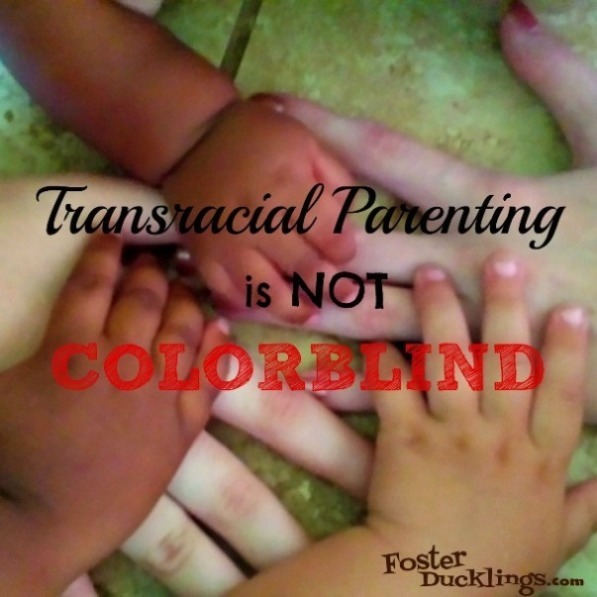
Transracial parenting is not colorblind

“Probably because of how and where I was raised, I have usually approached discussions of race with trepidation – if at all. But since embarking on the adventure of transracial parenting, I’ve begun to realize that I have a duty to my son to have these conversations…”

Learning the Lessons of Transracial Parenting: NOT Colorblind

“Before becoming a transracial parent, I prided myself on being “colorblind”. I truly believed that the best answer was to ignore skin color. And I would get very irritated if anyone else used race as a descriptor. If I was forced to physically describe a person of color, I would mention gender, height, build and then whisper “black”, like I was saying a bad word. I was just so uncomfortable even discussing race that I did my best to ignore it. I steadfastly and earnestly believed this was the best non-racist approach, until I realized I was going to be the forever mommy of a gorgeous little black boy…”

http://www.fosterducklings.com/2014/08/transracial-parenting-not-colorblind.html

transracial-adoption-parenting

foster-ducklingsDuck Mommy is a [mostly] happily-married, Christian foster mom and infertility survivor blogging about life as the head duck-wrangler of a three-ring traveling circus.  In between herding ducks, saving starfish and her full-time adventures with an infant, 2 toddlers, 3 teenagers, 3 dogs, and 3 cats, she shares her experiences, point-of-view and lessons learned at Foster Ducklings.

  • « Previous Page
  • 1
  • …
  • 11
  • 12
  • 13
  • 14
  • 15
  • …
  • 45
  • Next Page »

Looking for something?

Facebook

Foster2Forever

Archives

Why Every Foster Parent Needs Sexual Abuse Training

foster care visitation rules guidelines online

10 Tips for Foster Care Visitation Online

foster-income-taxable

Is Foster Income Taxable? What Foster Parents Should Know About Income Tax

Why Every Foster Parent Needs Sexual Abuse Training

I’m Clever

Sway

Pretty Chic Theme By: Pretty Darn Cute Design