Foster2Forever

  • Home
  • Shop
  • Fostering & Adoption
    • Foster Care
      • Being a Foster Home
      • Birthfamilies
      • Case Workers
      • Concerns
      • Court Hearings
    • Adoption
      • Parenting Tips for After Adoption
      • Benefits
      • Costs
      • Infertility
      • Parental Rights
  • Parenting
    • 31 Tips for Parenting After Adoption
    • Behavior Issues
    • Children’s Activities
    • Family Time
    • Motherhood
  • Our Home Life
    • Cancer & Health
    • Recipes
    • Marriage
    • Family Travel
    • Videos
  • Join Our Community
  • Our Family
  • Contact
  • Privacy Policy

6:05 pm by Penelope

Get Foster Parent Training and Help Hurricane Victims

SIGN UP FOR THE ADOPTION HEART CONFERENCE FREE NOW!

As a former Houstonian, I have been grieving with my friends and family that have lost everything to Hurricane Harvey.

As the flood waters rose last week, panicked friends posted pleas for help on social media with their addresses.

“Can someone please get word out to come get me and my children? This is my address.”
 “We have moved upstairs. The first floor is flooded and it’s still raining!”
“What do I do? Do I leave my dogs behind?”

I worried that it might be the last time I’d hear from some of them.

One family member lost long-time coworker Coach Jordan of Clear Creek High School – the school district I had lived in.

As I’ve sat high and dry in the Texas Hill Country while recovery efforts continue, I’ve asked myself over and over: “How can I make a difference?”

Then I realized that I can make a difference to the hurricane victims in Texas!

I’m offering proceeds from sales of the All-Access Pass for the Adoption HEART Conference to go toward hurricane relief.

WATCH ADOPTION HEART CONFERENCE  FREE NOW!

Not only can proceeds from this online event raise funds for hurricane victims, but this fundraiser can provide invaluable training for foster and adoptive parents!

Adoption HEART Conference

Over 20 sessions on topics important to foster and adoptive parents:

  • Adoption Options: Adoption from foster care, open adoption, international adoption.
  • The Impact of Trauma: Effect of various trauma on brain development, prenatal exposure, & attachment.
  • Growing Up Adopted: Adoptees share about growing up adopted with discussions on identity, race, & belonging.
  • Parenting Strategies: Discover effective strategies for difficult behaviors, such as lying, stealing, manipulation, defiance, etc.
  • What Adoptive/Foster Parents MUST Know: Healing your emotional baggage before adoption, secondary trauma, parental self-care, marriage health.
  • What Else You Can Do?: Discover innovative ways that you can help orphans, children/ youth in foster care, and adoptive families.

WATCH ADOPTION HEART CONFERENCE  FREE NOW!

Hurricane Relief Fundraiser GOAL: 100,000 training pants

Right now, displaced families have a huge need for disposable training underwear. Potty training is next to impossible in the overcrowded emergency shelters. Plus, children that are stressed out such as this may revert back to wetting themselves.

The Texas Diaper Bank is a 501 c3 nonprofit established in 1997 to provide diapers for families in crisis. They have set up a special fund going directly to Hurricane Harvey victims.

We’ve set a goal of 100,000 training pants to help these weary families!!!

HOW CAN YOU HELP WITH THIS FUNDRAISER?

  • Purchase the Adoption HEART Conference All-Access Pass
  • Share with your friends and agencies
  • Share on your social media accounts & tag people
  • Share in forums and Facebook groups

Within minutes of posting, we reached 20% of our goal! Will you help?

10:07 am by Penelope

The Job Description of a Foster Parent

“Oh, I’m just a mom.” Those words can become the usual response if someone asks about occupation. However, as parents, we shouldn’t downplay our all-important role in raising a family. That’s especially true for foster parents whose role could possibly change the lives of children in their care.  The skills and knowledge gained as a foster parent can be extremely valuable to an employer.  Plus, foster parents must go through extensive training before becoming licensed by the government to care for children in State custody.   I recently updated my resume, and here is a sample job description that a foster parent can use when writing a resume.

Foster Parent Job Description

DAILY
Provide 24-hour care of foster children with various diagnoses such as RAD, ADD, ADHD, FASD, Bipolar, Conduct Disorder, Developmental Delays, and other emotional needs.
Encourage and reinforce appropriate behaviors through trauma-informed care using trust-based behavior management techniques.
Respond quickly and appropriately in emotional/behavioral crisis situations using the least restrictive intervention necessary to maintain safety of the child and others.
Attend court hearings and foster care review boards to ensure successful, clear communication of essential information. Provide mentoring in life skills as teens approach adulthood.

SCHOOL
Acts as an educational advocate for children with regard to school placement, 504 accommodations,and Individual Education Plans for special education. Work with teachers and administrators to develop effective Behavior Intervention Plan based on child’s specific emotional needs.

MEDICAL
Attend to health care needs, ensuring that regular medical, psychiatric, and dental checkups, hearing and vision exams, as well as other special medical needs assessments and appointments, as they arise.
Attend all therapies (physical, occupational, speech, equine, etc.) and implement therapy strategies recommended.
Consult with psychiatrists about efficacy of child medications.

EMOTIONAL
Coordinate with social workers, ad litems, CASAs, and others involved in the case to ensure that all physical and emotional needs of the child is met.
Work with Community Resource Coordination Group (CRCG) to identify child’s needs and exploring resources and services to be executed in an Individual Service Plan.

RECORDKEEPING
Maintain records for child’s time in foster care; including medical/dental records, daily medication dosage records, developmental milestones, educational documentation, etc.


10:21 am by Penelope

4 Important Truths a Foster Kid in the NFL Can Teach Foster Parents

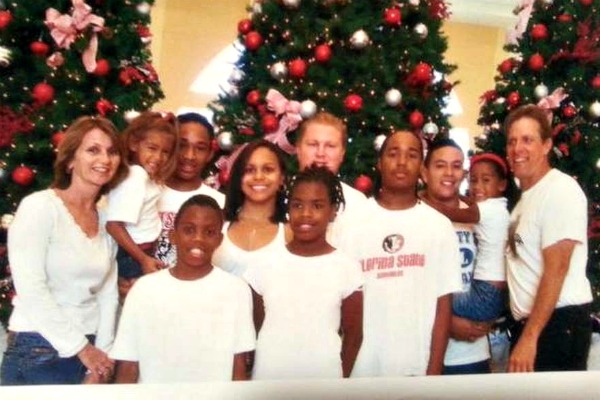
Albert Wilson, Jr. is a wide receiver for the Kansas City Chiefs who grew up in Florida’s foster care system.  Albert was placed in the Florida foster system twice – the second time he was in the system for 6 years until he aged out at 18. He had moved from group homes to other foster homes until he finally found security at the age of 16 in the foster home of Brian and Rose Bailey.

albert-wilson-foster-family

photo of the Baileys via The Kansas City Star

Albert Wilson’s account about his time in foster care demonstrates the far-reaching role foster families can play in a young person’s life.

4 truths that foster parents can learn from Albert Wilson.

1. Your family life may be the only stable home life your foster children have experienced.

Albert learned for the first time in his life what it meant to be together as a family when he moved in with the Baileys.

“Their house was a place I felt safe — even happy. They showed me a side of family I hadn’t seen before, one where everyone was living at the same pace — and in the same place.”

2. Encourage contact with biological family, when possible.

Albert says he was lucky to have been able to still have his parents in his life even though they were in jail. In the Foster2Forever private Facebook group, sometimes foster parents are afraid of their foster children seeing their parents in jail. But looking from Albert’s point of view he sees that contact as positive.

“They [my parents] helped raise me — I talked with them regularly on the phone or through the mail.”

Seeing his parents in jail also taught Albert an important life lesson about the consequences of crime:

“People make mistakes — and there are consequences for those mistakes.”

3. Give your foster children an outlet to work out emotions.

Your foster child needs an outlet for anxiety and stress. It may not be in athletics or organized sports, such as football, but even exploring artistic, creative or even spiritual endeavors can give your foster child a boost of self-esteem and something to get their mind off of their problems. As Albert relates:

“when things got tough — no matter where I happened to be living — I could always turn to football…Football became my refuge. When I was on the field, everything else melted away. I poured everything I had into the sport. That dedication paid off on the field…”

4. A foster child might consider you family even after they leave.

Albert admits that living with the Baileys wasn’t always picture-perfect as he dealt with the emotions of missing his biological family, but considers the Baileys family even today.

“They were my family…I still consider them family today…”

Your role as a foster parent is an important one because you have the capacity to help a child live life to their full potential, no matter their background. Albert Wilson’s success can be partly attributed to the support he received from the foster families in his life.

“Without the Baileys and my cousin, I don’t know what would have happened.“

You can read more about Albert Wilson’s life as a foster kid, his foster family, and how he’s helping other foster kids.

2:02 pm by Penelope

The Surprising Way Your Past Trauma Affects Your Foster Children

Now that all 20+ sessions of the Adoption HEART Conference have been broadcast, I want to share how these sessions have impacted me and changed my outlook on raising my adopted children.

I will be the first to admit that as an adoptive parent who “rescued” children from the foster care system, I am flawed. First, I had my head in the sand about some very important issues that drastically affect how effective I can be as a parent to traumatized children.

past-childhood-trauma-recovery

YOUR PAST TRAUMA WILL RESURFACE

The most surprising theme for me that ran through many of the sessions of the Adoption HEART Conference is that parents must recognize the impact that personal past trauma will have on their ability to effectively parent trauma.

My history is spotted with family dysfunction, substance abuse, domestic violence, along with physical and sexual abuse. Although I felt had to come to terms with my own past trauma, I had failed to recognize its importance in my ability to stay calm and not be triggered by my child’s trauma. As therapist Amy Sugeno stated in her session:

“If a parent experienced childhood trauma, they are at a higher risk for developing secondary trauma.”

Wow! She went on to explain:

“A child’s trauma may trigger a parent’s past trauma.”

Now, my trauma happened many, many years ago. I actively pursued healing as a young woman through many counseling sessions, group therapy with other survivors, and even hypnosis to clear some of the bad memories. When I eventually came to the point of restoration, I felt alive, healed, and finally over the mountain of heartache that was my youth.

However, as I became a foster parent, I was surprised at how my past trauma caused me to react. To this day, I cringe when a young girl is hugged by males or sits on a man’s lap. I become nervous, edgy, and can even become downright bitchy. My instinct is to snatch the girl from what can be a truly appropriate sign of affection. (It’s ironic because as a little girl, I always felt safest in my Daddy’s lap.)

I began to realize that due to this hyper-vigilance from my past trauma, it would be best for me if I didn’t parent little girls. It is just too nerve-racking for me.

HOW TO DETERMINE IF YOU ARE TRIGGERED BY YOUR PAST TRAUMA

  • Evaluate your past. You can begin by journaling about your three biggest hurts in your past. Many times you will begin to see a pattern.
  • Evaluate your present parenting. Journal about the times you may have just lost it while parenting your child. {no judgment here} look to see if you can identify your triggers.
  • Compare your current triggers with your past. Examine both lists and look for any overlapping issues. Determine if your current triggers are somehow associated with your past.
  • Determine if your feelings are somehow associated with your past.  One way that you can do this is when your child is misbehaving, before you react to your child’s behavior: Stop, breathe, and question your feelings.

4:20 pm by Penelope

Why You MUST Sign Up for this Adoption Conference

Watch this encore presentation of the Adoption HEART Conference!!! The Adoption HEART Conference is a free online event. Free sign up here.

free-foster-parent-adoption-training

As an adoptive parent, I’ve struggled with navigating the unique challenges that come with parenting traumatized children. Sure, there are some incredible conferences and trainings available to foster and adoptive parents, but I just can’t jump on a plane to attend. And even if I could, my kids do not travel well at all!

To make matters worse, most adoption conferences and trainings don’t provide childcare so that means I’d have to find sitters anyway to either stay overnight or with my rambunctious boys during the conference.

That’s why I created the Adoption HEART Conference!

To provide adoptive parents (& prospective adoptive parents) a convenient way to get the training and tools they need to effectively parent traumatized kids.

The Adoption HEART Conference is an online event so that means no travel and no childcare, plus you can watch the conference sessions at your convenience. Plus it’s free to watch during the conference! – all you have to do is sign up.

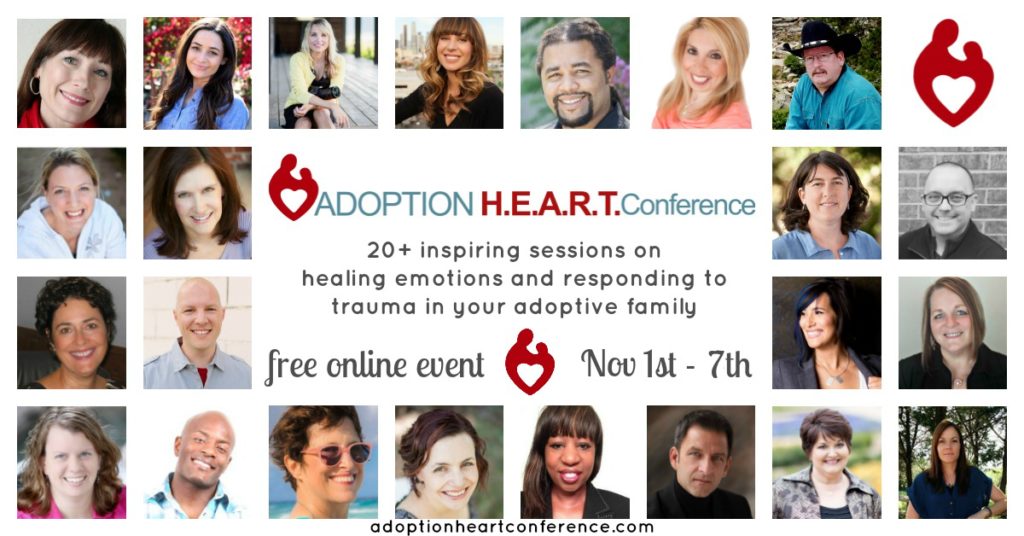
You’ll get free access to sessions with over 20 adoption experts to give you incredible insight into the mind and heart of our children from hard places.

Check out these incredible sessions:

Replacing Your Child’s Fear with Love: Powerful Strategies to Stop Difficult Behavior

Bryan Post

Growing Up White: An Open Discussion with a Transracial Adoptee

Rhonda Roorda

How to Choose Which Adoption is Best for Your Family

Dawn Davenport (of CreatingAFamily.org)

What You Might Not Know About Birthmother Grief & Loss

Ashley Mitchell (birthmother of BigToughGirl.com)

What They Don’t Tell You About International Adoption

Sharla Kostelyk (of ChaosAndTheClutter.com)

How to Choose Which Adoption is Best for Your Family

Lori Holden (of LavenderLuz.com)

From Adoptee to Adoptive Parent: Overcoming Your Past to Parent Traumatized Children

Jillian Lauren (New York Times bestselling author)

What Parents MUST Know About Adoptee Identity, Grief & Loss

Sherrie Eldridge (author, adult adoptee)

Seeing Trauma through Your Child’s Eyes: Tips from a Former Foster Kid

Chadwick Sapenter (former foster youth)

What Really Happens to Kids Who Age Out of Foster Care & What You Can Do About It

Gianna Dahlia (Executive Director of TogetherWeRise.org)

How Attachment Has More to Do with YOU than Your Child

Marshall Lyles (of the Center for Relational Care)

How to Recognize Prenatal Exposure & Its Complex Effects on Your Adopted Child

Melissa Fredin (of Minnesota Organization on Fetal Alcohol Syndrome)

It’s Not Behavior, It’s Neurological: How Trauma Imbalances Your Child’s Brain

Dr. Rob Melillo (of Brain Balance Centers)

How Compassion Fatigue & Secondary Trauma Can Unknowingly Invade Foster & Adoptive Families

Amy Sugeno (trauma therapist)

How to Integrate Two Parenting Styles & Diffuse Conflicts in Your Marriage

Mike Berry (of ConfessionsOfAnAdoptiveParent.com)

How to Integrate Adoption into Your Home, Life & Work to Make a Difference in the World

Tamara Lackey (photographer, activist, adoptive mom)

How to Help Your Child Overcome Their Past Trauma with a Trust-Based Parenting Intervention

Debra Jones (author, parenting coach, adoptive mom)

How to Use Animals & Pets to Help Regulate Your Traumatized Child

Lindsey Bussey (equine therapist)

How to Develop an Effective Plan to Intentionally Parent Challenging Behaviors in Adopted Children

Stacy Manning (author, parenting coach)

How to Help Your Foster & Adopted Children Rise Up from the Depths of Trauma & Low Self-Esteem

Dr. Sue Cornbluth (therapist, parenting expert)

Tough Decisions When Parenting Reactive Attachment Disorder

John M. Simmons (author, adoptive dad)

Could Your Child’s Behavior Actually Be Sensory Processing Disorder?

Marti Smith (occupational therapist)

Creating this Adoption HEART Conference has significantly changed my view of adoption — now I feel that I can see through the lens of my adopted children about the adoptee loss that they WILL eventually experience.

Be sure and go to AdoptionHEARTconference.com to check out all the sessions and claim your free ticket to this life-changing event. Please share with your friends, agencies, and caseworkers!

1:27 pm by Penelope

Don’t Miss These Sessions at the online Adoption HEART Conference

I’m so excited!!! The Adoption HEART Conference finally takes off!

With over 20 video sessions with experts of various experiences and views on adoption, the Adoption HEART Conference is an invaluable resource for adoptive parents or those planning to adopt. These interviews have changed me.

free-online-foster-care-training

Because it’s all online, you can watch the Adoption HEART Conference from the comfort of your home – and – best of all – you don’t have to find childcare!!!

Check out this list of the amazing sessions:

DAY 1

Kickoff – Host Penelope Webster:  How the Adoption HEART Conference Changed Me

Bryan Post – Replacing Your Child’s Fear with Love: Powerful Strategies to Stop Difficult Behaviors

Rhonda Roorda – Growing Up White: An Open Discussion with a Transracial Adoptee

DAY 2

Dawn Davenport – How to Choose Which Adoption Options is Best for Your Family

Ashley Mitchell – What You Might Not Know About Birthmother Grief & Loss

Sharla Kostelyk – What They Don’t Tell You about International Adoption

Lori Holden – How to Have Openness in Adoption (Even in Foster Care & International Adoptions)

DAY 3

Jillian Lauren – From Adoptee to Adoptive Parent: One Mom’s Journey to Overcome Her Past to Parent Her Traumatized Children

Sherrie Eldridge – What Parents MUST Know About Adoptee Identity, Grief & Loss

Chadwick Sapenter – Seeing Trauma through Your Child’s Eyes: Tips from a Former Foster Kid

Gianna Dahlia – What Really Happens to Kids Who Age Out of Foster Care & What You Can Do About It

DAY 4

Marshall Lyles – How Attachment Has More to Do with YOU than Your Child

Melissa Fredin – How to Recognize Prenatal Exposure & Its Complex Effects on Your Adopted Child Today & Tomorrow

Dr. Rob Melillo – Brain Balance: How Trauma Changes Your Child’s Brain & Behavior

Marti Smith – Could Your Child’s Behavior Actually Be Sensory Processing Disorder? How Trauma Affects the Senses & Behavior

John M. Simmons – Tough Decisions when Parenting Reactive Attachment Disorder

DAY 5

Amy Sugeno – It Could Happen to You: How Compassion Fatigue & Secondary Trauma Can Overtake Foster and Adoptive Families

Mike Berry – How to Integrate Two Parenting Styles & Diffuse Conflicts in Your Marriage

Tamara Lackey – How to Integrate Adoption into Your Home, Life & Work

Debra Jones – How to Help Your Child Overcome Their Past Trauma with a Trust-Based Parenting Intervention

DAY 6

Lindsey Bussey – How to Use Animals & Pets to Help Regulate Your Traumatized Child

Dr. Sue Cornbluth – How to Help Your Foster & Adopted Children Rise Up from the Depths of Trauma & Low Self-Esteem

Stacy Manning – How to Develop an Effective Plan to Intentionally Parent Challenging Behaviors in Adopted Children

LIVE Closing Panel – Host, Penelope Webster hosts a Live Panel Discussion

This project has been a labor of love for you, the adoptive parent, and after months of planning, and hours of web development, and numerous interviews with various adoption experts, the Adoption HEART Conference is ready to bless you.

You don’t want to miss this! Get your free ticket now! See you Soon!

2:39 pm by Penelope

Free Online Adoption Conference

The Adoption HEART Conference is almost here!!! I’m so excited!! {disclosure: I’m really nervous!!} The Adoption HEART Conference is a free online event.

adoption-heart-social-share

As an adoptive parent, I’ve struggled with navigating the unique challenges that come with parenting traumatized children. Yes, there are some incredible conferences and trainings available to foster and adoptive parents, but I just can’t jump on a plane to attend. And even if I could, my kids do not travel well at all!

Plus, most adoption conferences and trainings don’t provide childcare so that means I’d still have the hassle of finding sitters to either stay overnight or agree to stay with my rambunctious boys during the conference.

That’s why I created the Adoption HEART Conference!
To provide adoptive parents (& prospective adoptive parents) a convenient way to get the training and tools we need to effectively parent traumatized kids.

The Adoption HEART Conference is an online event so that means no travel and no childcare, plus you can watch the conference sessions at your convenience. Plus it’s free during the conference upon email signup.

You’ll have free access to sessions with over 20 adoption experts to give you incredible insight into the mind and heart into our children from hard places. The speakers include Bryan Post, Dr. Sue Cornbluth, Dr. Rob Melillo of Brain Balance, former foster youth Chadwick Sapenter, and world-renowned photographer Tamara Lackey — plus many others!

During the Adoption HEART Conference, we will be digging deep into tough conversations about adoptee loss, grief and identity with adult adoptee Sherry Eldridge, transracial adoptee Rhonda Roorda, and New York Times bestselling author Jillian Lauren. And don’t miss the session where birthmother Ashley Mitchell shares her heartbreaking loss when she placed her son for adoption. These interviews have significantly changed my view of adoption so that I can now see through the lens of my children that were adopted through a loss that they WILL eventually experience.

We will be covering the important topics of attachment, and the effects of trauma on the brain. You’ll learn about reactive attachment disorder, sensory processing disorder, fetal alcohol and drug exposure.

You’ll learn strategies to effectively deal with difficult behaviors, build self-esteem and trust, and even how to use pets to help heal your child from trauma. But you’ll also learn important topics about yourself, your attachment style, marriage survival, and compassion fatigue.

Be sure and go to AdoptionHEARTconference.com to check out all the session and claim your free ticket to this life-changing event. See you there!

12:27 pm by Penelope

Free Online Foster Care Training

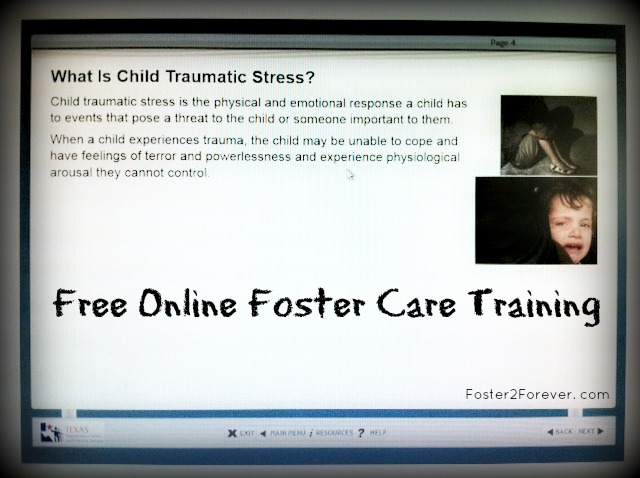
free-online-foster-care-training-texasNeed some online foster care training hours to keep up your license?

Traumatic childhood experiences, such as child abuse and neglect, can have long-term effects.  Foster parents must be able to address a foster child’s trauma as an important component of caring for the child.  Everyone involved with the children in the foster care system —  the children, the families, caregivers, and even the social workers who serve children and families within the child welfare system — all experience the impact of trauma.

Difficult Behaviors Training

Are you a foster parent struggling with difficult behaviors caused by trauma? Not sure how to handle defiance, tantrums, lying, stealing, food hoarding?  Foster parents will get practical tools in managing behaviors in this free online foster care training.

Adoption HEART Conference

This is an online conference for foster and adoptive parents with a focus on Healing Trauma And Responding to Trauma (HEART). The conference sessions are free to watch during the conference dates.

If you are a temporary parent to traumatized children, and are trying to provide stability and make a difference in children’s lives, if only for a short time. You are in the trenches of parenting trauma.  This event will help you in developing strategies to effectively parent through trauma!

Trauma-Informed Care Training

In Texas, each foster and adoptive parent must receive trauma-informed care training annually.  Each newly-verified foster parent or approved adoptive parent must receive trauma-informed care training within 60 days of foster home verification or adoptive home approval.

Foster parents can complete the free online Trauma-Informed Care Training on the State’s public website:

In order to receive credit for this 2-hour online training, foster or adoptive parents must:

  • Complete the entire training.
  • Make at least a 70% on the post-test.
  • Print (or screenshot) the Certificate of Completion of Trauma-Informed Care Training at the end of the training.
  • Provide a copy of the Certificate of Completion of Trauma-Informed Care Training to your caseworker.

To follow along with the training, licensed foster or adoptive parents can also download a copy of the training to use as a guide. (NOTE: The State of Texas administers this training – not Foster2Forever. Any issues you have with the training or training certificate must be resolved with the DFPS.)

Psychotropic Medications Training

Studies show that children in foster care are more than 13 times more likely to be prescribed psychotropic medications than the general population.  Texas regulations require that foster parents receive training before administering psychotropic medications to foster children.

Foster parents can take this free online foster care training for psychotropic medications to meet these requirements.

6:00 am by Penelope

Free Online Foster Care Training!

Studies have shown that children in foster care are more than 13 times more likely to be prescribed psychotropic medications than the general population.

Regulations in the State of Texas require that before foster parents can give psychotropic medications to children in care, they must receive training on:

  • Identification of psychotropic medications;
  • Basic pharmacology including the actions and side effects of, and possible reactions to various psychotropic medications;
  • Policies and procedures on administering medication;
  • Who may legally consent to using psychotropic medications for children in foster care.

This foster parent training is required annually.

As you probably know, getting to a training class can be a challenge when you have a houseful of kids.

I’m excited that the State of Texas removed that issue by offering online free training on psychotropic medications!!!

This online training meets the expectations of the regulations for the safe and effective use of psychotropic medications by children in foster care.

In order to receive credit for the online training, you must:

  • Complete the whole training.
  • Make at least a 70% on the post-test.
  • Print the Certificate of Completion of Psychotropic Medication Training at the end of the training. (or screenshot if on mobile)
  • Provide a copy of the Certificate of Completion of Psychotropic Medication Training to your child-placing agency or residential operation.

This free online training is expected to take 2 hours – ug! – but at least you can complete the course on your schedule.

Difficult Behaviors Training

Are you a foster parent struggling with difficult behaviors caused by trauma? Not sure how to handle defiance, tantrums, lying, stealing, food hoarding?  Foster parents will get practical tools in managing behaviors in this free online foster parent training.

Free Online Adoption Conference

This is an online conference for foster and adoptive parents with a focus on Healing Trauma And Responding to Trauma (HEART). The conference sessions are free to watch during the conference dates.

If you are a temporary parent to traumatized children, and are trying to provide stability and make a difference in children’s lives, if only for a short time. You are in the trenches of parenting trauma.  This event will help you in developing strategies to effectively parent through trauma!


  • « Previous Page
  • 1
  • 2
  • 3
  • 4
  • Next Page »

Looking for something?

Facebook

Foster2Forever

Archives

Why Every Foster Parent Needs Sexual Abuse Training

foster care visitation rules guidelines online

10 Tips for Foster Care Visitation Online

foster-income-taxable

Is Foster Income Taxable? What Foster Parents Should Know About Income Tax

Why Every Foster Parent Needs Sexual Abuse Training

I’m Clever

Sway

Pretty Chic Theme By: Pretty Darn Cute Design