Foster2Forever

  • Home
  • Shop
  • Fostering & Adoption
    • Foster Care
      • Being a Foster Home
      • Birthfamilies
      • Case Workers
      • Concerns
      • Court Hearings
    • Adoption
      • Parenting Tips for After Adoption
      • Benefits
      • Costs
      • Infertility
      • Parental Rights
  • Parenting
    • 31 Tips for Parenting After Adoption
    • Behavior Issues
    • Children’s Activities
    • Family Time
    • Motherhood
  • Our Home Life
    • Cancer & Health
    • Recipes
    • Marriage
    • Family Travel
    • Videos
  • Join Our Community
  • Our Family
  • Contact
  • Privacy Policy

3:48 pm by Penelope

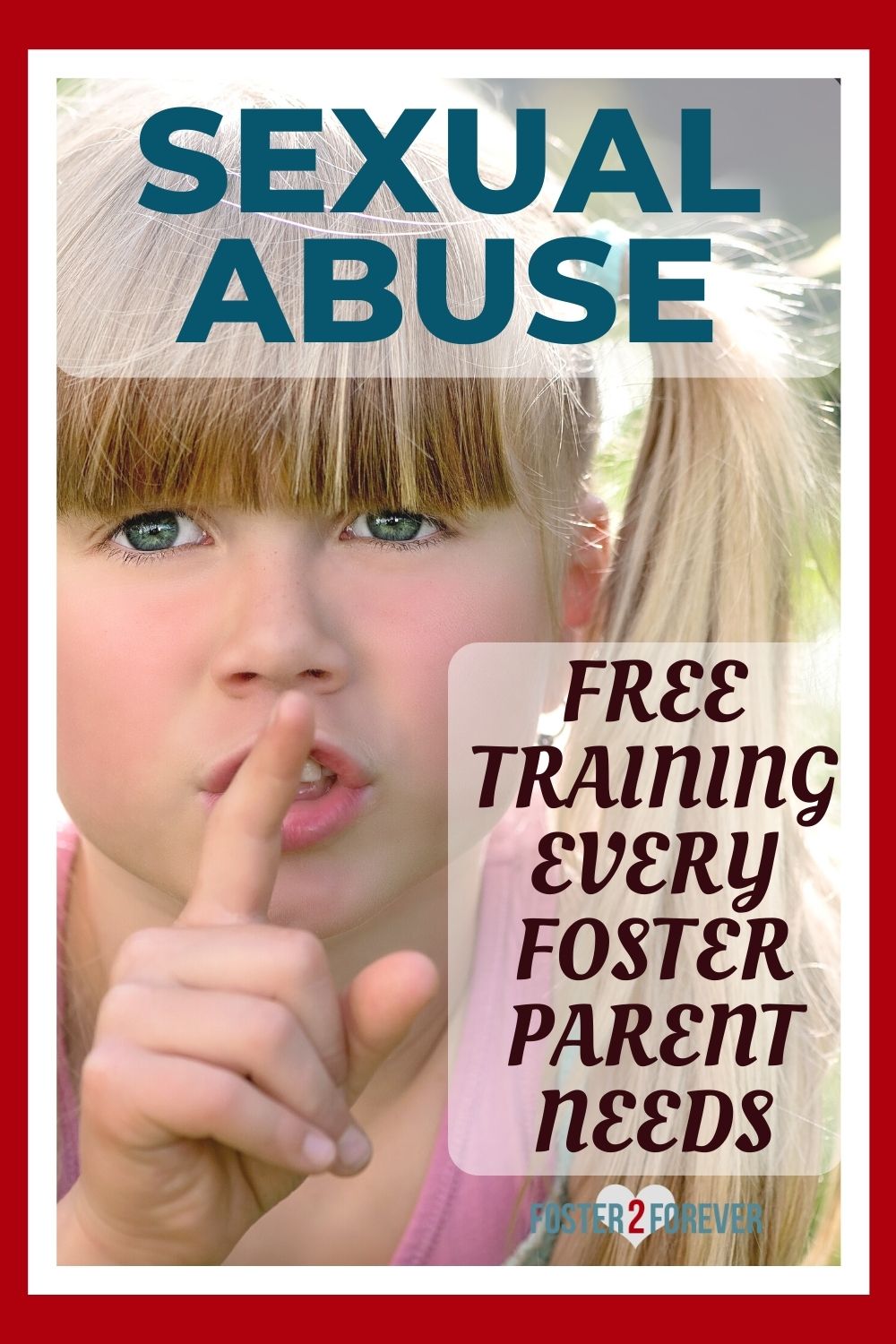
Why Every Foster Parent Needs Sexual Abuse Training

Foster parents need sexual abuse training:

She was only 7 years old when Child Protective Services brought her to our foster home. As a matter of fact, CPS removed the child from her family due to hard drug use and violence in the home. CPS had no knowledge of sexual abuse.

However, I began noticing odd behaviors quickly after placement. The 7-year-old would defecate every time she took a bath. She would covertly brush her hand across the lap of any males in the home. She would search for the word “sex” on Netflix. At one point, she even patted my thigh in a manner that made me uncomfortable. AT 7 YEARS OLD!

It quickly became obvious to me that someone had sexually abused this 2nd grader.

Sexual abuse statistics

Sadly, foster parents discover that a child in care has been sexually abused. According to the US Department of Health & Human Services’ Child Maltreatment Survey, in 2016, child protective services removed over 57,000 children for sexual abuse. This number is much higher as these are only the known, reported cases.

Sexual abuse is especially rampant for children from backgrounds of neglect and other traumas. Especially, when parents are using illicit drugs. Given that, the lack of supervision and the associated transient lifestyle in drug culture puts children especially at risk for sexual abuse.

Along with that, another statistic states that children from single-parent homes are 20 times more likely to be sexually abused.

child sexual abuse training

Sexual abuse training for foster parents

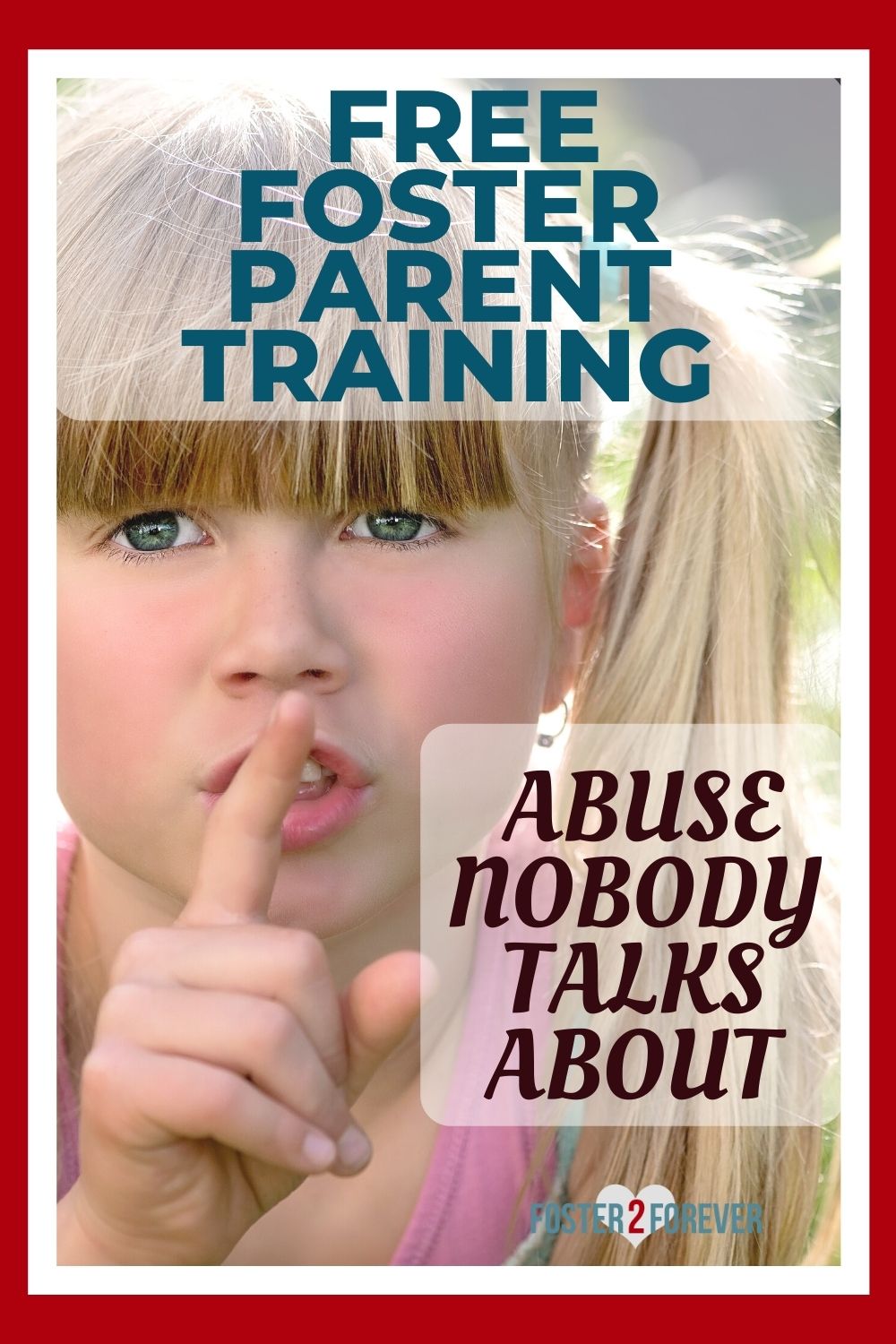
All foster parents need this foster care training on sexual abuse. That’s why I felt it was imperative that the Adoption HEART Conference included a session on sexual abuse training. Sexual abuse changes a child’s perceptions of themselves, plus affects their self value.

This sexual abuse training session covers various facets of sexual abuse and the sexualized child, including:

  • what is normal sexual exploration,
  • what triggers sexual behavior,
  • how the fear response affects a child’s behavior, but mostly
  • the importance of how an adult’s history affects the way they respond to the sexualized child.

Sign up for this free online training here.
3:43 pm by Penelope

10 Tips for Foster Care Visitation Online

Sometimes children in foster care cannot have face-to-face visitation with parents. During those times, video conferencing is a convenient option. You will need to contact your agency for specific foster care visitation rules.

ZOOM VIDEO

Zoom is a free video conferencing platform that you can easily use on a computer, tablet or mobile device to connect children with their parents virtually.  The Zoom platform allows one user with an account to send a link to other users (only the host has to have a Zoom video account). Mobile devices may require you to download the Zoom app. The free Zoom video plan allows online family visitation of up to 40 minutes with a number of participants.

MARCO POLO

Marco Polo is a video-based messenger that can be used send short videos when scheduling a particular time is difficult. The Marco Polo app is like a video walkie-talkie. It allows you to leave video voicemails that you can check when child is alert and active and respond with cute videos of the child.

MESSENGER KIDS

Facebook has created the Messenger Kids app with numerous parental controls. You can set the app to be active only during particular hours. Messenger for Kids also has numerous filters and games that kids really enjoy. If privacy is an issue, you can set up a Facebook account that you only use for parents and send a request for the parent to connect with the Messenger for Kids app.

foster care visitation rules guidelines online

TIPS FOR FOSTER CARE VISITATION ONLINE

1.  Choose a time of day when the child is alert and active. Avoid times just before or just after naptime.

2.  Use a larger screen device that is just out of reach so children can see screen better.

3.  Contain movement of little ones. Whether the visitation is in their room with the door closed or in a high chair, it will help you from chasing the child down. (We all know how quick toddlers can be)

4.  Have an activity for the child. Children can still communicate with parents while eating a snack, coloring, or playing with toys or Play-Doh.

5.  Give ideas on how to engage with little ones, if parents are open to suggestions. Parents can sing songs, read short story (works best if both child and parent have the same book), talk to kids through a character (sock puppet, stuffed animal, etc).

6.  Suggest more frequent shorter online visitation sessions, especially for younger children, at the discretion of the case worker. Young children will struggle to stay focused on a conversation for any length of time.

7.  Don’t feel pressure to keep children engaged. If kids aren’t engaging much, allow parents to just watch their child play. Video visitation for infants and toddlers are more for the parents to stay connected with their child while they are separated.

8.  Follow the child’s lead for when the call should end. If the child is getting squirmy, tired or cranky, consider scheduling more time later, at the discretion of the case worker.

9.  Prepare for acting out. Seeing you and parents at the same time will be very confusing for little ones. Children will act out the big feelings they can’t communicate. Allow time after calls for the child to de-escalate. Swinging, jumping, or other repetitive movements will help calm the child’s brain.

10. Even if it’s difficult, facilitate a relationship with the parent (with strict boundaries). Keeping children connected to their biological parents is in their best interest, especially as children transition to reunification.

3 tips to make family visits easier for your foster child.

12:18 pm by Penelope

Is Foster Income Taxable? What Foster Parents Should Know About Income Tax

IS FOSTER INCOME TAXABLE?

You do not have to report foster payments you received for providing foster care in your home as taxable income. Foster payments are NOT considered taxable income. (Foster payments are considered reimbursement)

According to the Turbo Tax website: “if care is provided to a qualified foster individual and they are paid by a state or qualified agency, foster care payments are NOT considered taxable income and are NOT included on tax return.”
These payments include those received from a state or local government or from a qualified foster care placement agency.

foster-income-taxable-adoption-credit

CAN I CLAIM FOSTER CHILDREN ON MY INCOME TAX RETURN?

You can claim a foster child on your tax return, only if the child has lived with you for over 6 months. (6 months plus 1 day) A foster child does not have to live in the foster parent’s home at the end of the year to be claimed.

IMPORTANT: Only one person can claim the same child.

TIP to avoid IRS problems: File your tax return as soon as possible in the event that birth family incorrectly claims a child. The IRS will immediately deny a claim if a child has already been claimed as dependent. It will be up to the second filer to prove to IRS that the child is their dependent. Foster parents who file after a child is already claimed have to go through this process.

WHAT IF I FILE AND THE CHILD IN MY CARE HAS ALREADY BEEN CLAIMED? 

The quickest way to resolve this is to go ahead and file your tax return without claiming the child.  Then, you can file an amended tax return Form 1040-X.  Then, you claim the child and attach placement papers and other documentation proving the child lived with you over 6 months. 

CAN I QUALIFY FOR EARNED INCOME TAX CREDIT FOR FOSTER CHILDREN?

You can now find out your filing status, your child’s status as a qualifying child, your eligibility for the credit, and estimate the amount of the credit you may get by using TurboTax.

WHAT IS THE ADOPTION TAX CREDIT?

Adoptive parents can receive a tax credit for the amount spent on adoption-related expenses. This applies even for failed adoptions. You can only receive tax credit for the amount you paid in taxes. However, you do have 5 years to carry over any unused credit from previous years.

HOW MUCH IS THE ADOPTION TAX CREDIT?

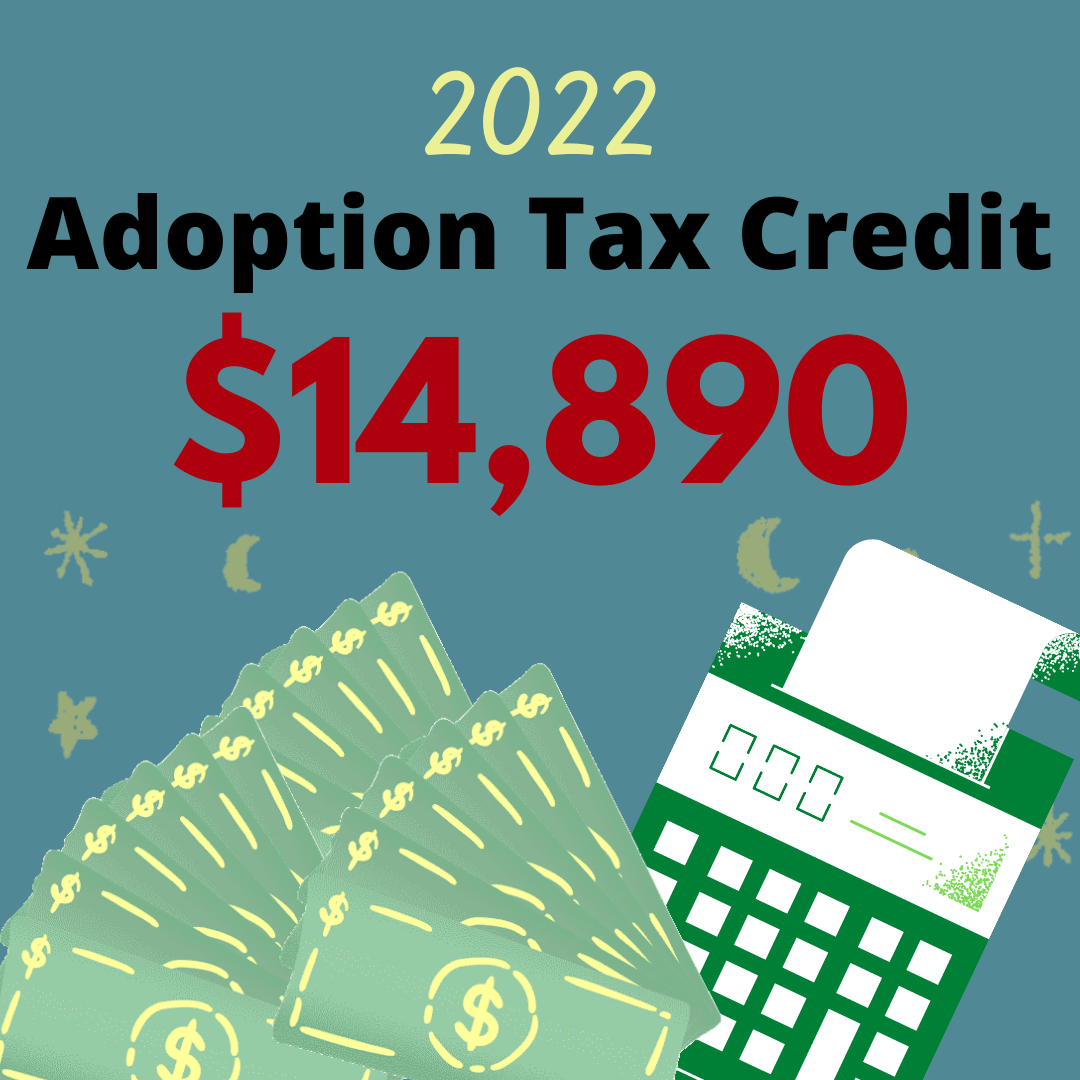
The Adoption Tax Credit for 2022 is $14,890. You can use the tax credit to reduce your federal tax liability (taxes you owe) for the next five years. For tax year 2022, the Adoption Tax Credit for qualified adoption expenses is $14,890 for each child adopted. You can adopt via public foster care, domestic private adoption, or even international adoption. The adoption tax credit only applies to Federal income taxes — NOT state income taxes. 

HOW DOES THE ADOPTION CREDIT WORK?

You can only apply the adoption tax credit to how much you OWE in taxes. You cannot apply the entire $14,890 if you do not owe that much in Federal income tax.

For example, if you paid $5,000 in Federal income taxes, but actually only owed $3,000 in taxes, your income tax refund would normally be $2,000.

However, you can use the adoption tax credit and apply it to the $3,000 you owe and get back the entire $5,000 of taxes you paid as a refund.

What if you don’t owe $14,440 in taxes for 2022?

Here is good news — IRS allows you to apply the balance of the $14,440 tax credit over five years.

Continuing the example from above, the next tax year of 2023, you can carry over the remaining amount of the adoption tax credit. ($14,440 – $3,000 = $11,440) means you could apply $11,440 to what you owe in taxes in 2023 – each year up to tax year 2026!

Clear as mud, right?
That’s why we use TurboTax – just answer the questions and TurboTax will guide you through and complete the forms for you. TurboTax Deluxe is the version that includes the Adoption Tax Credit Form 8839. 

WHAT ARE QUALIFIED ADOPTION EXPENSES?

Qualified adoption expenses include reasonable and necessary expenses necessary for the adoption.  Examples of qualified expenses include:

  • agency fees,
  • home study costs,
  • court fees,
  • attorney fees,
  • medical examinations/physicals costs,
  • dossier fees,
  • traveling expenses (including amounts spent for airline, gas, meals and lodging while away from home), and
  • other expenses that are directly related to the adoption of a child.

Expenses for domestic adoptions that are not yet final can be taken the year after the expenses are paid or you can wait until the adoption is final.

HOW DOES THE ADOPTION TAX CREDIT WORK IF WE ADOPTED A SPECIAL NEEDS CHILD?

With the adoption of a U.S. child with special needs, you may be eligible for the maximum amount of credit for the year of you finalize the adoption, even if you paid no qualified adoption expenses.

If you adopt a child with special needs through foster care, you may be entitled to claim the full amount of the adoption credit even if you did not have expenses.

Each state has different criteria that qualify a child as “special needs”. The special needs declaration must come from the state in which the adoption was final. In order to qualify as a special needs adoption, you must have a signed adoption “Subsidy Agreement” with the state. (Some states call it the “Adoption Eligibility Assistance Determination.”)

WHAT IS CONSIDERED A SPECIAL NEEDS ADOPTION?

A child is considered special needs for purposes of the adoption credit if all of the following conditions are met:

  • The child was a U.S. citizen or resident when the adoption effort began (no international adoptions);
  • A state determines that the child cannot or should not be returned to his or her parent’s home (child placed in foster care);
  • A state determines that the child probably will not be adopted unless assistance is provided to the adoptive family (parents receive monthly post-adoption subsidy)

Generally, special needs adoptions are the adoptions of children whom the state’s child welfare agency considers difficult to place for adoption.

Most foster care adoptions are considered special needs adoptions. Special needs adoptions can include:

  • minority children over the age of 2,
  • any child over the age of 6,
  • siblings placed together, or
  • other special needs.

If you receive a monthly subsidy after adoption, your child would fall into this category.

WHAT IRS FORM DO WE FILE FOR THE ADOPTION TAX CREDIT?

To claim the adoption credit or exclusion, complete Form 8839 (PDF), Qualified Adoption Expenses, and attach the form to your Form 1040 (PDF) or you could just download TurboTax and answer the questions.

Disclosure: I am not a tax professional. I compiled this information from the IRS website, Intuit TurboTax website, and my questions to a tax professional.

foster-income-taxable

9:16 am by Penelope

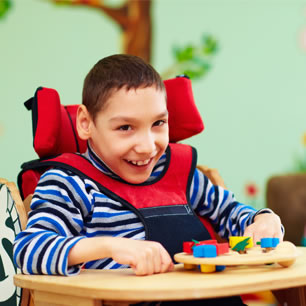
Would You Adopt a Special Needs Child in Foster Care?

We are The Burdick Family. We have fostered 12 years and have adopted six children who would otherwise have gone into foster care or could not reunify, making us a family of twelve. Our kids ages are 27, 25, 23, 21, 15, 14, 12, 5, 3, and 3.

Our fostering journey began 15 years ago. After starting foster care classes and learning just how hard it can be — “we could never fit as foster parents!” We dropped out of the classes; however, in that process, we submitted an application to adopt with a local ministry.

Within a week, the agency called us about adopting a special-needs baby. The mother was in an amazing and supportive foster family but decided that private adoption was best for her child. When she gave her son to our family, she also gave herself to us as a daughter!

special-needs-in-foster-care

Special Needs in Foster Care

A year later, the agency called again about adopting another special-needs baby who would have gone into foster care otherwise.

Three years later, his cousin was in foster care. The agency asked us to become licensed to become foster parents. We completed our licensing requirements and our son’s cousin came live with us at three months old.

Since then, we have fostered many babies — several were able to return home, and those who didn’t, we committed to adopt.

The last three, almost four, years, we had three medically-fragile babies, all needing g-tubes; each kiddo with their own unique journey.

Today, our 5-year-old forever child is g-tube free, and attending kindergarten.
Both our three-year-old sons are, too, off their g-tubes, attending preschool, and as healthy as can be.

The journey has had many ups and downs, but overall and without a doubt, we would do it all again to have the privilege of loving children from hard places.

We had amazing support from other foster families as well as our immediate family and friends. Our older four children have grown in compassion and love all their younger siblings.

12 Tips for Fostering a Special Needs Child

1:48 pm by Penelope

RAD in Foster Care – How Hard It Can Be!

Reactive Attachment Disorder – RAD – in foster care can happen when children fail to attach to their primary caregiver early in life. Janie was 42 and Joe was 50 when two biological half-sisters, ages 3 and 5, made them foster parents in middle Tennessee. This is the foster to adopt story of their family.

The birth mom had a number of issues and already had two other children that had been adopted out. Eventually, the birth mom voluntarily relinquished her parental rights — she was unable to keep a housing, wouldn’t stay on medication, along with other issues.

5-year-old Hope had been seriously neglected and abused before she was 3-years-old. This sad child had no self-esteem — Hope believed she was not as pretty as her brown-skinned, brown-eyed biracial 3-year-old sister, Alex, with the curly locks. By the time of placement, Hope was 5 and Janie was her third mom in two years time. Trauma counseling began on Day 1 through the agency. Specialists eventually diagnosed Hope with Reactive Attachment Disorder (RAD).

RAD-in-foster-care-stories

Photo by mohamed Abdelgaffar

RAD in Foster Care

Although Janie educated herself with as many resources as she could find, parenting a child with RAD was a very difficult journey. She felt as though her child hated her much of the time and even felt that the child actually enjoyed making her life difficult. Janie struggled emotionally and sought out counseling for herself.

As much as possible, parents should be able to agree on styles. Janie and her husband did not always agree on parenting, which made things even more difficult. When it came to discipline or at least enforcing the rules, through their child’s triangulation, Janie felt like she was set to be the bad parent.

Younger sister, Alex was almost always loving and an over-achiever. Because of that, Janie did not have her in therapy initially. That is until the family hit the worst times: when Hope entered high school. Hope never fit in at school and struggled with her work and friendships. The stress of being more independent in 9th grade was too much for her — she didn’t feel safe on her own. She threatened suicide multiple times. Then she even threatened to kill the family with a knife. Janie and her husband had to take these threats seriously.

Ultimately, Hope ended up in a detention youth home,and then under state’s custody for nearly 2 years. The family felt broken apart.

Through all this, her younger sister, Alex, then went into therapy to deal with her pent-up anger at her sister. Throughout their lives, Alex had kept her anger toward her big sister inside because she felt she had to always keep it together in order to survive in the dysfunction. Alex had felt angry much of her childhood. Therapy helped her tremendously.

Finally, in the middle of her junior year, Hope was able to return to the family and things went pretty well. Hope enrolled in a different school than Alex, for both their well-being, which helped their relationship too.

Through most of the years, the family had a fabulous support service, through Catholic Charities, called the Adoption Support and Preservation Program (ASAP). Through ASAP, the family had access to support groups and special services. The therapist came to the home and worked with Hope, and sometimes with Alex too. These services were free for the family – the Lord blessed them with so many free services; it was amazing.

If you are parenting a traumatized child, look for support services and take advantage of them – they work wonders.

Through intense therapies and the process of healing, the family survived and the girls are doing well — Janie and her husband are so proud of their daughters.

Adopted Adults with Attachment Disorder

Hope graduated high school and has held some good jobs in retail and food service. She is a hard worker and in many ways, a very caring and sweet person. Although Hope has struggled and even gone through gender issues and suicidal thoughts, she has finally settled into her life. At age 25, Hope has a healthy relationship with the father of their one year old daughter.  Hope named her daughter, Jane Nicole, after her grandmothers – Janie and the dad’s mom! What an honor – from the child whom she thought hated her!

The baby girl, Alex, is doing great now too. However, in her sophomore year of college, her issues finally slammed her.  Alex felt she had to be perfect, thinking that was the only way to be loved. Doctors diagnosed Alex with an eating disorder and anxiety. She’s been in therapy for 3 years now and will graduate college in December — as what else? A social worker!!! She grew up in that world and found her place there.

Janie admits that she made mistakes and was not the perfect mother, (Who is?) However, Janie learned just how strong she is! She never gave up on her children, always advocated for them, and worked to get what they needed. Ultimately, her daughters have become beautiful, strong, loving women.

Your job as foster and adoptive parents will not always be easy, but using all the resources you can find, you can do this!

9:09 am by Penelope

Foster to Adopt Stories – Adopting Siblings

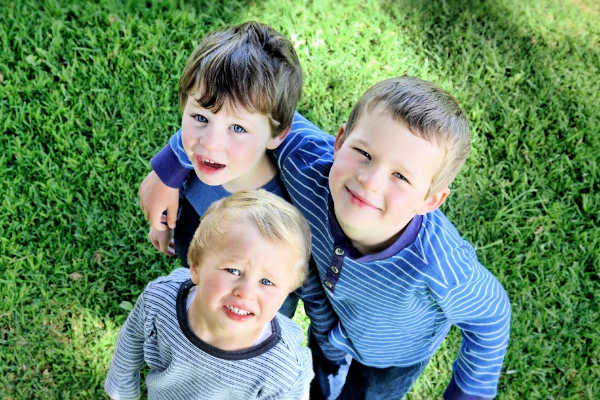
Many children in foster care that are waiting for adoption are sibling sets.  By adopting siblings from foster care, Jeremy and his wife, Sarah, ensured that three brothers would not be separated from each other.

My wife, Sarah, and I have talked about adoption for the 26 years we have been together — her brother was adopted from South Korea. As a military family with constant moving between military bases, we didn’t think that we would have the stability to get through the adoption process before we would have to move again.

Adopting Siblings from Foster Care

Once I retired from the military three years ago, we finally began to actively pursue adoption. We have always had a big family so we thought that we should consider adopting siblings rather than just one child.  

We completed our initial paperwork for adoption, and then waited – for months – but weren’t matched with any sibling groups. Then we were asked if we would consider foster care.  — three brothers were in foster care but not yet legally free for adoption.  By adopting siblings from foster care, it keeps siblings from being separated and split up.  

While this route would not guarantee adoption, after much prayer and consideration, along with many questions, we said YES and welcomed the brothers into our home.

foster-care-stories-adopting-siblings Photo by amyelizabethquinn

Foster families cannot anticipate everything that will be required of them during the adoption process. We have had difficult times. There have been times when we didn’t all get along. There are many challenges that we didn’t expect along the way. But there has never been any wavering in our commitment to have these precious children as part of family.

My wife Sarah has been home with some or all of these children for 21 straight months. All day, every day. Rarely ever getting a break. She takes care of the boys, takes them to their appointments, and advocates for the services that they require. She has done all of this and still had a home to manage, other kids to raise, and is still able to find time for me. I think her day has at least 36 hours in it, but somehow, by the grace of God, she is able to make it all work. Sarah’s love is truly the glue that keeps this family together and the oil that keeps it running smoothly.

Faith in Adoption

This unrelenting commitment to these children comes from a deep place in our belief system. According to Scripture, God adopted us, Christians, as children into God’s family.

  • Having an Eternal Father I can turn to at any time for help makes me want to be that for all 7 of our children.
  • Having a Heavenly Father that has provided me with everything I need for life so I can provide for every child under my care.
  • Having a loving Father that loves unconditionally reminds me that, even when it is hard, love will never run out for these boys.

Every day, I am learning how to love my sons better.

Today, I stand in Court testifying that Dominick, Matthew, and Ronen are forever members of our family.

Today we will celebrate a milestone. These boys are legally our sons and permanently part of our family. We will take pictures, have a special meal, and celebrate this date for years to come.

Today is just another step in our journey.

  • Our journey of assimilation into a family.
  • Our journey of discovering the skills and gifts that God has put into our boys.
  • Our journey of understanding the endless love of God as we endeavor to love these children well.

Tomorrow we will keep moving, together, as a family, on this journey through life. There will be other mountains to climb, valleys to endure, and everything in between. We will make memories, make mistakes, and make-up. I will continue to love these boys with the love that God has shown to me. No matter what twists, turns, difficulties, or obstacles come along, we will always have enough love to overcome it.

We are a family.

Jeremy is the father of 4 biological children and 3 adopted sons. He and his wife, Sarah, fostered their sons for almost two years before adopting siblings.

e33c13816b708d9d8adb1d8d2168730253cc1e446ae56a2385

2:23 pm by Penelope

Can I Really Help My Adopted Child? Or Are Genes More Important Than Environment?

We have all heard that “know it all” parent say under their breath, “If that were my child they wouldn’t act like that.” You may hear it at the park, at school functions, and even at church.

Every day, parents of children with behavior problems, may ask themselves, “Am I the right parent for this child? If my child were being raised in a different home, would their behavior be different?” As an adoptive parent, I must admit that I have asked myself that question hundreds of times. I’ve felt embarrassment and shame and wondered if I was good enough to parent my difficult child.

Americans spend millions of dollars each year on books and seminars trying to find answers for their child’s behavior. Most result in little or no change. To say that the debate over “Nature vs. Nurture” is convoluted is an understatement.

Psychologist John Watson had this to say on the issue:

“Give me a dozen healthy infants, well-formed, and my own specified world to bring them up in and I’ll guarantee to take any one at random and train him to become any type of specialist I might select … regardless of his talents, penchants, tendencies, abilities, vocations and race of his ancestors.”

Any parent who has raised more than one child should find this nurture theory laughable. Every day we see children raised in the same home, taught the same morels and beliefs, turn out with totally different beliefs and convictions than those they were taught and of those of their siblings.

Moreover, as foster and adoptive parents can attest, changing the environment of a child doesn’t just take away previous trauma and neglect. A foster/adoptive parent may wonder: “How much of a child’s behavior is a response from previous trauma and how much could be from some sort of possible disorder?”

The Nature theory asserts that nearly all traits such as intelligence, personality, aggression, and sexual orientation are encoded in an individual’s genes.

Genes and Environment

According to years of genetic research on twins, Dr. Danielle Posthuma of the Neuroscience Campus in Amsterdam found that although a child may have a high genetic predisposition for a characteristic, whether physical or psychological, environment can still play a part.

However, prenatal exposure in utero is the most powerful environmental factor for foster and adopted children. Poor nutrition, drug and alcohol exposure, stress hormones of the mother, all can affect a child’s development and neurophysiology even before birth or experiencing other trauma as a child.

Dr. Posthuma’s study reported that conditions such as ADHD is 68% inherited, but environment is a factor in only 6% of cases. Surprisingly, the predisposition for cocaine addiction is 64% inherited, but environment plays only a small role (7%). Schizophrenia is 77% is inherited and only 1% due to environment (this is due to the late adolescent/early adult onset of the disorder).

Although the predisposition for behavioral/mental disorders may be passed through genes, if you were to take this theory to the extreme, one could excuse all behavior as simply a product of their genes and conclude that no one is responsible for any of their behavior.

Despite the apparent flaws in both the Nature and Nurture theories, after raising 4 children, I find myself on a daily basis leaning more to the “Nature” side of the debate.  Because of my experience and research, I lean less and less to the “Nurture” side.

Growing up in a Christian home, I believed that there was one God who controlled the universe. I believed that He was the omniscient, omnipotent, omnipresent creator of everything. I believed that He loved and cared for all human life and that through prayer, our lives could be made better.

If a person believes this is true, then that same person cannot also believe that environment plays a major role in a child’s outcome. If we believe that putting a child in different home, with different parents, would create a better outcome, then we must also believe that this same God we say is in control of everything, made a mistake.

If a child would be better off in a different home, then why wouldn’t that same God put him in a different home from the beginning?

It cannot be both ways. We must either believe that a child is born with a predisposition for his behaviors and would have those behaviors no matter what.  Or we must believe that God makes mistakes.

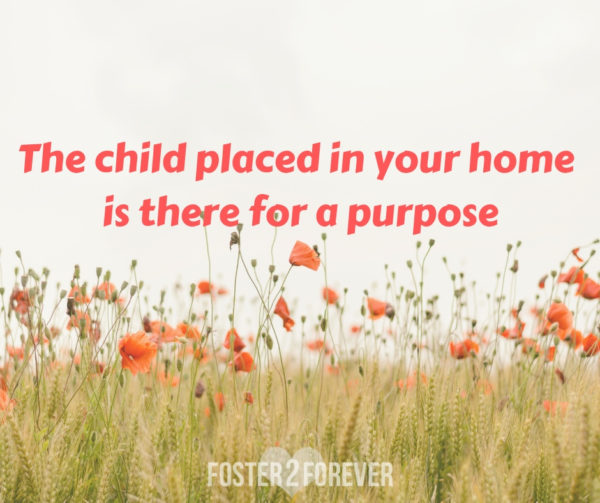
If you are a person who believes that God is not capable of making mistakes, then you must believe that the child placed in your home is there for a purpose.

Although your child may have a high genetic predisposition for a psychological disorder, it’s not 100%. There are no guarantees that the end result will be different. (A child with sociopathic tendencies may still end up in jail).  But by giving a child the medical attention, therapies, interventions, and other help they need, your influence will make a difference in a child’s life.

This was a submitted guest post. 

5:51 am by Penelope

What Foster Parents Must Know About Instant Family

Instant Family is a movie specifically about foster parenting – I absolutely LOVED it!

WARNING: Instant Family is NOT a family movie!

When I mention in conversations that I’m a foster parent, what usually follows is a barrage of inquisitive questions.   How do you become a foster parent?  Why are the kids in foster care? What happened to their “real” parents?  For the most part, a majority of people don’t understand what it’s like to open your home to not only children, but to caseworkers, CASAs, inspections, etc.

The Instant Family movie will help debunk some of the mysterys and myths about what it’s really like being a foster parent.

The Instant Family movie was written by real-life foster parent Sean Anders, who wanted to show reality. The Instant Family movie follows a naive couple, Pete (Mark Wahlberg) and Ellie (Rose Byrne) through the actual complicated process of becoming foster parents.

Foster parents know that foster parenting is encased with awkwardness and the crazy emotional rollercoaster of a case, and the Instant Family movie doesn’t shy away from that truth. The awkwardness of meet-the-kids events, children you don’t know immediately moving in, the honeymoon period when all the kids are angels, the back-and-forth of a case, etc.

Foster parenting isn’t easy, and the Instant Family movie shows how hard it really is.

However, the Instant Family movie is NOT a family movie.

WHAT FOSTER PARENTS MUST KNOW ABOUT INSTANT FAMILY:

1. EXPLICIT LANGUAGE

If you are a seasoned foster parent, you already know that sometimes kids from hard places may come into your home with some extremely colorful language (no matter the age). The cast (both adults and children) use explicit language that is scattered throughout the film, including the f-word, and even the p-word. Most curse words are used only a few times.

2. SEXUAL CONTENT

Experts estimate that 1 in 4 girls and 1 in 6 boys are sexually abused before their 18th birthdays! (from Darkness to Light) This statistic is even higher for children in foster care. Although the heavy topic of sexual abuse isn’t the sexual content depicted in the Instant Family movie, the parents have to face teen sexuality. Pete and Ellie’s inability to discreetly handle the situation brings out side-splitting belly laughs. Again, this is a topic that parents of all teens in today’s digital age must broach. Learn a lesson from Pete and Ellie! 🙂

3. BIRTHFAMILY TRIGGERS

The Instant Family movie shows the reality of the rollercoaster of how a case easily can switch back and forth from adoption, to reunification, and back to adoption.  I got emotional watching the children get caught in this emotional turmoil on the screen (and I’m an adult). This particular topic could be very difficult emotionally for any child that has been in the foster care system. And even if your teen seems well-adjusted, this storyline could unearth all sorts of confusing emotions that will be hard for a young mind to process.

All this being said, I LOVED the Instant Family movie! And I encourage you to go see it with your friends.

Just remember that Instant Family is a movie for PARENTS, not children.

8:16 pm by Penelope

Free Video Series for Foster/Adoptive Parents

Tried everything and nothing is working?
Feel like your living in total chaos all the time?
Thinking about having a foster child moved or just closing your foster home?

I know exactly how you feel! I have been there!

I didn’t know what to do! I tried everything! I read all the books and websites about parenting these hurt children. I attended extra foster parent training and conferences.  I knew all the things, but in the moment, I couldn’t remember anything… There’s so much information to remember – I couldn’t keep it all straight!

I was desperate! So I decided to go through every single bit of information I had — everything!

I got out all my books and notes I’ve taken through the years, and began scouring through all of it. I pulled out every tip and technique, and grouped them.  After doing this for a while, I began to see a pattern!  All this connected parenting guidance could be put into 3 categories:

CALM – Staying calm and using self-care were mentioned quite a bit, but there wasn’t much information in detail.

CONNECT – The tips and techniques all revolved around showing empathy for your child and using connection to build relationship.

CORRECT – Misbehavior has to be corrected, but sometimes this means coaching the child in the correct way to respond to situations.

This is how the idea behind CALM-CONNECT-CORRECT was born.

When I began focusing on using this CALM-CONNECT-CORRECT process with my children, I began seeing amazing RESULTS!!! 

After all these years, I finally was able to attune to my child’s emotions and understand what was really going on with my child, but most importantly, myself. I am finally able to feel amazing about the relationship of my attachment-challenged child.  I am calmer; my children are happier.

That’s why I created CALM-CONNECT-CORRECT — a comprehensive course using a step-by-step process that will enable you to:

  • calmly respond to trauma,
  • discover the fear behind behavior,
  • connect with your child during the hardest times, and
  • dramatically transform your relationship!

Watch this free video series, which takes you through the CALM-CONNECT-CORRECT process.

The first video is only 10 minutes long so you can watch just about anytime.

Registration for the full CALM-CONNECT-CORRECT course opens soon.

  • 1
  • 2
  • 3
  • 4
  • Next Page »

Looking for something?

Facebook

Foster2Forever

Archives

parenting-angry-foster-child

How Foster Parents Unknowingly Cause Anger Outbursts

youth-aging-out-of-foster-care

This Foster Youth Aged Out to a Life of Crime and Addiction

Changing the What-If’s for Emergency Foster Care Placements

Why Every Foster Parent Needs Sexual Abuse Training

I’m Clever

Sway

Pretty Chic Theme By: Pretty Darn Cute Design