Foster2Forever

  • Home
  • Shop
  • Fostering & Adoption
    • Foster Care
      • Being a Foster Home
      • Birthfamilies
      • Case Workers
      • Concerns
      • Court Hearings
    • Adoption
      • Parenting Tips for After Adoption
      • Benefits
      • Costs
      • Infertility
      • Parental Rights
  • Parenting
    • 31 Tips for Parenting After Adoption
    • Behavior Issues
    • Children’s Activities
    • Family Time
    • Motherhood
  • Our Home Life
    • Cancer & Health
    • Recipes
    • Marriage
    • Family Travel
    • Videos
  • Join Our Community
  • Our Family
  • Contact
  • Privacy Policy

Archives for August 2014

11:14 am by Penelope

The Heartbreak of Saying Goodbye to a Foster Child

Saying goodbye to a foster child is the most heart-wretching part of being a foster parent.  Laura wrote about her heartbreak shortly after her last placement left – after almost a year as part of her family.

How do you say goodbye to a child?
How do you explain why they cannot live with you anymore while hoping they do not feel rejected by you?
How can you give a child the most consistency & stability they have ever had and then just say goodbye?

How do you say goodbye to the children you have loved as your own for the past year?
How do you have a baby from day 2 of his life and say goodbye at 7 mos?
When you are the only mommy he knows?
When he looks for you?
When you are the one whom he feels the separation anxiety from?

Excerpted from They Call Me Mommy

saying-goodbye-to-foster-child

Read more about saying goodbye to a foster child:

10 Things to Do When a Foster Child is Returning Home

7 Tips for Foster Parents to Keep Emotions in Check

Foster Care Isn’t About You – How to Support Reunification

foster-parent-bloggerLaura Bohmann Chapman has a HUGE heart for foster care and adoption! She and her husband have 3 biological kids in addition to foster children! She is passionate about helping others be themselves, home decor, especially creatively decorating on a budget. She is semi-addicted to thrift store shopping, antiques, and furniture rehab. She writes at Truly Me.

10:00 am by Penelope

VIDEO: The Surprise Results of My Cancer Biopsy

A few weeks ago, I underwent major surgery for ovarian cancer biopsy. Beforehand, I just didn’t comprehend just how painful my recovery would be, so I was surprised when I awoke from surgery in excruciating pain from my rib cage down to the middle of my thighs.

On top of this, due to my adverse reaction to pain medications, I had an extended hospital stay until the pain was manageable. UG!

But the biggest surprise was when I received the cancer biopsy results…

Cancer is a word, not a sentence!

Cancer-biopsy-word

9:54 am by Penelope

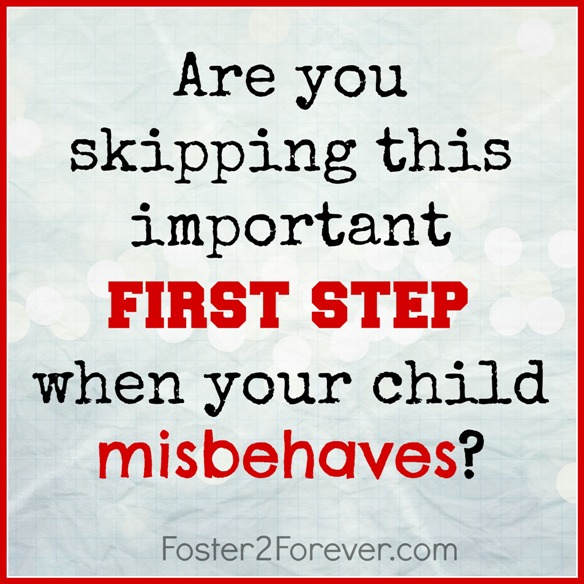
The First Step in Child Discipline When a Child Misbehaves

WHAT IS THE FIRST THING YOU SAY WHEN YOUR CHILD MISBEHAVES?

A parent’s first reaction to misbehavior can set the tone for how the situation plays out for a longer time period that the actual misbehavior. Let’s be honest. When my child is misbehaving or doing something he’s not supposed to, my first words usually begin with “DON’T!”

“Don’t hit your brother…”
“Don’t yell...”
“Don’t throw things in the house…”

Or the equivalent “STOP _____!”

As a parent, when my child misbehaves, and I simply TELL him to “don’t” or “stop” doing something, I’m not allowing my child to THINK about his actions — I’m simply telling him what to stop doing.

When you tell your child what not to do, you have already done the thinking for him.

If I want my child to begin thinking and learning about his behavior, I need to use a different approach; I need to teach my child to THINK!

How can a parent teach a child to THINK about misbehavior?

how-to-discipline-a-child-for-misbehavior


BY ASKING A CHILD ABOUT HIS MISBEHAVIOR!

Asking allows a child to think about his misbehavior.
Asking gets you more information about the behavior.
Asking also teaches a child to listen.
Asking helps you connect with your child in spite of the misbehavior.

WHAT TO ASK A CHILD ABOUT HIS MISBEHAVIOR

What questions should a parent ask a child that has misbehaved? That depends on what lesson the child needs to learn. A parent needs to ask questions in order to teach the child a lesson. Think about what particular question(s) will help this child discover for himself what he needs to learn.

But first…

ASK QUESTIONS ONLY AFTER YOU HAVE THE CHILD’S ATTENTION

I am no stranger to tantrums! I will never be able to ask any sort of question or get any answer from my child when he is in the middle of a tantrum. So Rule #1 is to wait until your child is calm before you ask any questions so you can actually discuss the behavior with your child.

Then you can…

ASK QUESTIONS ABOUT THE BEHAVIOR AND ASSOCIATED RULES

Simply find out what happened, ask about the behavior, and ask about applicable rules.

“What happened?” instead of “Why did you do that?” because a child never knows why.
“Do you remember the rule?”
“Why do you think we have that rule?”
“What do you think would happen if nobody in our family followed that rule?”
“Why is it important for you to follow that rule?”

ASK QUESTIONS THAT TEACH THE NEEDED LESSON

Ask specific questions about the misbehavior and what bad could happen if he doesn’t obey the rules (natural consequences). For instance, if a child doesn’t pick up his toys…

“What would happen if you had to get out of bed during the night?”
“If you accidentally stepped on your toy, what would happen to it?”

ASK QUESTIONS THAT HELP A CHILD THINK OF OPTIONS

Ask a child about other options encourages a child to think and make his own decisions.

“What could you do instead?”

This is also a great opportunity to practice doing an acceptable behavior using do-overs as part of your discipline. “Let’s practice doing that the right way.”

I’m finding that the more questions I ASK when my child misbehaves helps me keep my cool, helps my son think about his behavior and helps our relationship by opening the lines of communication during tense times.

8:51 am by Penelope

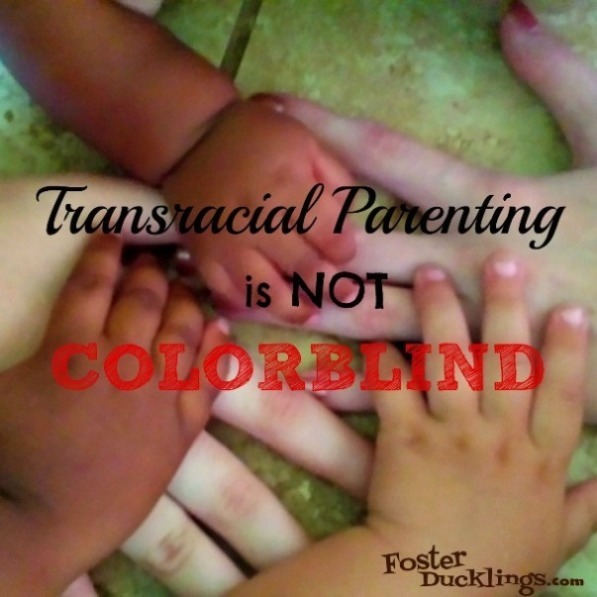
Transracial parenting is not colorblind

“Probably because of how and where I was raised, I have usually approached discussions of race with trepidation – if at all. But since embarking on the adventure of transracial parenting, I’ve begun to realize that I have a duty to my son to have these conversations…”

Learning the Lessons of Transracial Parenting: NOT Colorblind

“Before becoming a transracial parent, I prided myself on being “colorblind”. I truly believed that the best answer was to ignore skin color. And I would get very irritated if anyone else used race as a descriptor. If I was forced to physically describe a person of color, I would mention gender, height, build and then whisper “black”, like I was saying a bad word. I was just so uncomfortable even discussing race that I did my best to ignore it. I steadfastly and earnestly believed this was the best non-racist approach, until I realized I was going to be the forever mommy of a gorgeous little black boy…”

http://www.fosterducklings.com/2014/08/transracial-parenting-not-colorblind.html

transracial-adoption-parenting

foster-ducklingsDuck Mommy is a [mostly] happily-married, Christian foster mom and infertility survivor blogging about life as the head duck-wrangler of a three-ring traveling circus.  In between herding ducks, saving starfish and her full-time adventures with an infant, 2 toddlers, 3 teenagers, 3 dogs, and 3 cats, she shares her experiences, point-of-view and lessons learned at Foster Ducklings.

Looking for something?

Facebook

Foster2Forever

Archives

Why Every Foster Parent Needs Sexual Abuse Training

foster care visitation rules guidelines online

10 Tips for Foster Care Visitation Online

foster-income-taxable

Is Foster Income Taxable? What Foster Parents Should Know About Income Tax

Why Every Foster Parent Needs Sexual Abuse Training

I’m Clever

Sway

Pretty Chic Theme By: Pretty Darn Cute Design